Category Archives: Greece

High Death Toll in Turkish Migrant Boat Sinking Likely Caused by Persons Trapped Below Deck

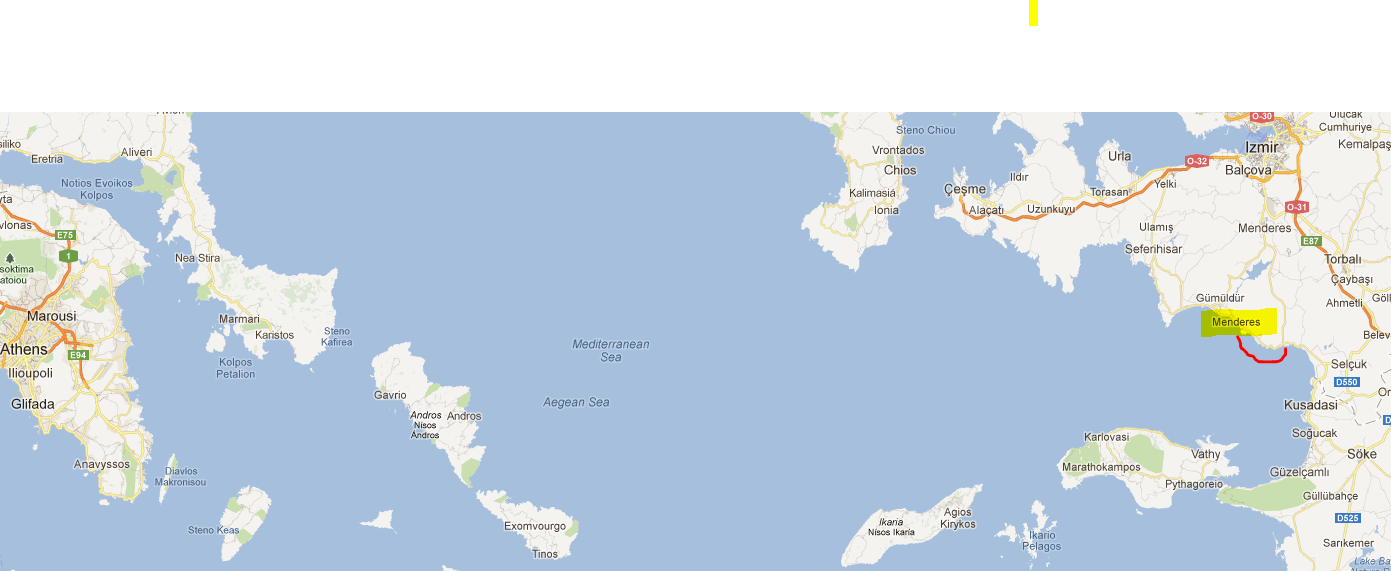
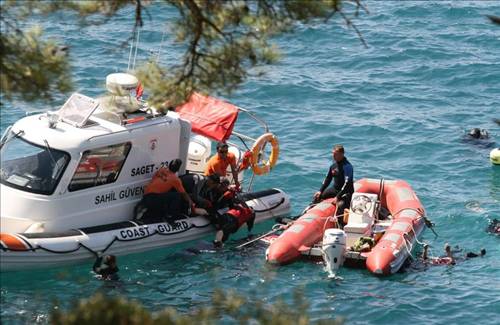
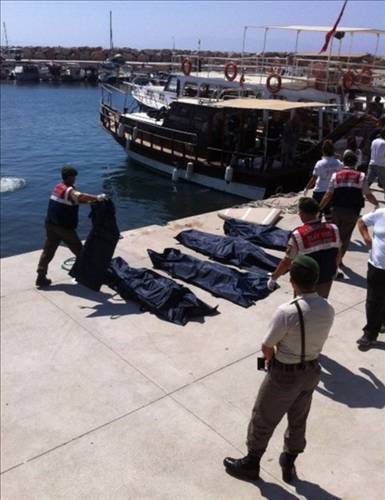
Last week’s sinking of a migrant boat off the Turkish coast took place about 50 metres from shore.  The high death toll of 61 persons, including 31 children and infants, seems to have occurred in part because many of the boat’s passengers were either trapped or locked below the main deck of the boat.  Some media reports describe the boat, the “Sailor”, as a small fishing boat, but pictures of the accident scene suggest that the boat was probably a pleasure boat.  The boat struck underwater rocks causing it to sink on 6 September.  The boat reportedly departed from Ahmetbeyli and had traveled approximately 25 km along the coastline when it sank near the village of Menderes.  The migrants on board included Syrians, Iraqis, and others.  At least 49 survivors were able to swim ashore.  The boat’s Turkish captain and at least one crew member have been arrested and charged with human smuggling and reckless homicide.  The crew reportedly made no efforts to assist the passengers as the boat was sinking.

Click here, here, here, here, and here for articles.


1 Comment

Filed under Aegean Sea, Greece, News, Syria, Turkey

Frontex to Increase Sea and Air Patrols in Aegean at Greece’s Request

Greek news reports say that Greek officials have made requests to Commissioner Malmström and Frontex for assistance to respond to “increasing migratory pressures on the islands of the Eastern Aegean.”  The Greek islands of Lesvos, Samos, Patmos, Leros and Symi in particular have reportedly seen an increase in the number of persons entering from nearby Turkish territory.  According to the media reports the assistance will include the deployment of “four aerial vehicle[s], four patrol boats, three mobile surveillance units and eight expert officers, whose costs will be covered by EU funds the agency and the European Commission.”

Click here and here for articles. (EL)

1 Comment

Filed under Aegean Sea, European Union, Frontex, Greece, Mediterranean, News, Turkey

Drones for Human Rights

The New York Times on Monday published an opinion article entitled “Drones for Human Rights” by Andrew Stobo Sniderman and Mark Hanis who are the co-founders of the Genocide Intervention Network.

They write that “[d]rones are not just for firing missiles in Pakistan….  It’s time we used the revolution in military affairs to serve human rights advocacy.”  They acknowledge the legal, political, and practical problems of using surveillance drones to monitor human rights abuses, but using the current situation in Syria as an example, argue that one “could record the repression in Syria with unprecedented precision and scope. The better the evidence, the clearer the crimes, the higher the likelihood that the world would become as outraged as it should be. … If human rights organizations can spy on evil, they should.”

Mark Kersten, writing on his Justice in Conflict blog, acknowledges the potential value of drone surveillance, but is generally critical of the proposal: “[I]n the context of ‘drones for human rights’, the risk is that the human gets removed from the experience and accounting of human rights violations. What would seem to matter is not personal experience but the particular configuration of pixels on a screen. This is folly. The process of victims, survivors and witnesses being involved shouldn’t be exchanged for the ‘unprecedented precision and scope’ of the photographs offered by drone technology. If anything, the role of victims, survivors and witnesses in the process of seeking and delivering justice should be enhanced.”

As the NY Times opinion articles points out, surveillance drones are deployed in a variety of non-military missions, including border control.  The U.S. Customs and Border Protection agency has deployed surveillance drones on the U.S.-Mexican border for years.  Frontex has been exploring the possible use of surveillance drones (unmanned aerial vehicles or UAV) for some period of time.  In January Frontex organised a 3 day live demonstration of UAVs at Greece’s Aktio Air Base where international manufacturers performed a series of test flights over the west coast of Greece.

Surveillance drones could certainly be used for search and rescue operations at sea and along remote international borders.  Could human rights organisations deploy their own drones in an effort to detect and monitor migrant boats as they embark on a dangerous trip across the Mediterranean?  Presumably this could happen, but practical problems, including the expense and legality of such missions, make such a possibility unlikely anytime soon.   But the use of drones by Frontex or national coastguards is not far off and it will be important to ensure that this new capability is used properly and not only as a border control tool to facilitate push-back operations at sea.

Click here for link to NY Times op-ed.

Click here for link to Justice in Conflict blog post.

Click here and here for links to Frontex research regarding drones.

Click here for Guardian article about the UAV industry’s plan for a “public relations effort to counter the negative image of the controversial aircraft.”

Leave a comment

Filed under Aegean Sea, Analysis, European Union, Frontex, Greece, Mediterranean

UNHCR: “Mediterranean takes record as most deadly stretch of water for refugees and migrants in 2011”

Full Text of UNHCR Briefing Note, 31 January:

“This is a summary of what was said by UNHCR spokesperson Sybella Wilkes – to whom quoted text may be attributed – at the press briefing, on 31 January 2012, at the Palais des Nations in Geneva.

According to UNHCR estimates, more than 1,500 people drowned or went missing while attempting to cross the Mediterranean to reach Europe in 2011. This makes 2011 the deadliest year for this region since UNHCR started to record these statistics in 2006. The previous high was in 2007 when 630 people were reported dead or missing.

Last year is also a record in terms of the massive number of arrivals in Europe via the Mediterranean, with more than 58,000 people arriving. The previous high was in 2008 when 54,000 people reached Greece, Italy and Malta. During 2009 and 2010, border control measures sharply reduced arrivals in Europe. The frequency of boat arrivals increased in early 2011 as the regimes in Tunisia and Libya collapsed.

Our teams in Greece, Italy, Libya and Malta, warn that the actual number of deaths at sea may be even higher. Our estimates are based on interviews with people who reached Europe on boats, telephone calls and e-mails from relatives, as well as reports from Libya and Tunisia from survivors whose boats either sank or were in distress in the early stages of the journey.

Survivors told UNHCR staff harrowing stories of being forced onboard by armed guards, particularly during April and May in Libya. The actual journey took place on unseaworthy vessels with refugee and migrant passengers often forced into having to skipper boats themselves. In addition, some survivors told UNHCR that fellow passengers beat and tortured them. Judicial investigations are ongoing in Italy following these reports.

The majority of last year’s arrivals by sea landed in Italy (56,000, of whom 28,000 were Tunisian) while Malta and Greece received 1,574 and 1,030 respectively. The vast majority arrived in the first half of the year. Most were migrants, not asylum-seekers. Only three boats landed from mid-August to the end of the year. In addition, according to Greek government figures, some 55,000 irregular migrants crossed the Greek-Turkish land border at Evros.

We are disturbed that since the beginning of 2012, despite high seas and poor weather conditions, three boats have attempted this perilous journey from Libya, with one going missing at sea. This boat, carrying at least 55 people raised the alarm on 14 January, warning of engine failure. Libyan coast guards informed UNHCR that 15 dead bodies, all identified as Somali, were found washed up on the beaches last week, including 12 women, two men and a baby girl. On Sunday, three more bodies were recovered. It was confirmed later that all those that perished were Somali residents of the makeshift site in Tripoli known as the Railway Project.

The other two boats that made it to Malta and Italy in January required rescuing. The first rescue of 72 Somali nationals by the Italian coast guard took place on 13 January. Those rescued included a pregnant woman and 29 children.

The second boat was rescued by the Maltese Armed Forces on 15 January with the support of the US Navy and a commercial vessel. In total 68 people were rescued from a dinghy found drifting some 56 nautical miles from Malta. A baby girl was born on one of the rescue vessels. Another woman reported a miscarriage during the voyage.

UNHCR welcomes the ongoing efforts of the Italian, Maltese and Libyan authorities to rescue boats in distress in the Mediterranean. We renew our call to all shipmasters in the Mediterranean, one of the busiest stretches of water in the world, to remain vigilant and to carry out their duty of rescuing vessels in distress.

For further information on this topic, please contact:

In Rome: Laura Boldrini on mobile +39 33 55 403 194

In Valetta: Fabrizio Ellul on mobile +356 99 69 0081

In Geneva: Sybella Wilkes on mobile +41 79 557 91 38”

Click here for link to statement.

Leave a comment

Filed under Data / Stats, European Union, Greece, Italy, Libya, Malta, Mediterranean, News, Statements, Tunisia, UNHCR

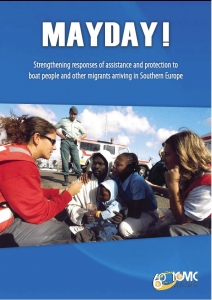
ICMC Europe Report: “MAYDAY! Strengthening responses of assistance and protection to boat people and other migrants arriving in Southern Europe”

ICMC has released a 150+ page report entitled “MAYDAY! Strengthening responses of assistance and protection to boat people and other migrants arriving in Southern Europe.”  I have just started reading the report and may post some additional excerpts in the coming days.  Here is an excerpt from the Foreword and Introduction:

“In the first months of 2011 alone, more than 2,000 migrants have died crossing the Mediterranean Sea. More than 2,500 unaccompanied children arrived just on Italian shores. Tragic, chronic figures like these are urgent and continuous reminders of the need for another approach to human mobility that goes far beyond simple enforcement and fundamentally recognises the rights to life and protection for all.

It is not so much the arrivals of migrants and refugees that should be put to question, but rather the response mechanisms which very often fail as much in the fields of prevention and rescue as in the processes deciding where and how people are permitted to move, disembark, stay or return. Protection today is provided only for a limited number of boat people who need it, and governed by systems of access and identification that are far too limited. Correct identification, differentiation and referral systems are needed for all migrants in distress and from the very moment of their arrival, not only because they are human beings, but also because such approaches reflect the quality of our societies….”

Scope of this report – Gathering the results of nearly a half thousand surveys of first responders and other actors as well as the migrants themselves, this report examines what happens—or does not happen— to identify migrants in need of protection and assistance upon their arrival in Europe. In particular, it sheds light on the mechanisms developed, and gaps both in practice and in policy in responses to boat people and other migrants arriving in mixed migratory movements in four countries at Europe’s Southern door: Greece, Italy, Malta and Spain.

Although rescue at sea at one end and voluntary or enforcement-related return at the other are highly relevant topics and areas of research per se, DRIVE has focused on the situation of migrants at point of arrival. As such, the project and this report look at first responses in the phase immediately upon and surrounding arrival, and then to identification, differentiation and referral mechanisms for legal protection and/or further assistance in subsequent phases following arrival.

The principal focus of the project was on boat arrivals, but the shift in routes in Greece during the project period and the sharp increase in land border crossings there compelled reflection upon responses to migrants crossing land borders as well as those arriving by sea. While the project maintained its focus on arrivals by sea, one of its findings is that most of the laws, policies, procedures and responses applicable to boat people pertain equally to those arriving across land borders—in particular, steps on identification, differentiation and referral for protection and assistance.

The DRIVE project set out to promote protection of the rights of all migrants in these situations, especially the most vulnerable, regardless of their immigration status. Nevertheless, the project has highlighted four groups whose members have come to be defined to a varying extent as having specific rights or special needs under international and European legal instruments: asylum seekers, victims of human trafficking, children, and victims of torture. It merits emphasising however, that other migrants also have special needs because of particular vulnerabilities,- notably people with serious health problems, disabled people, elderly people, pregnant women, single parents with minor children and persons who have been subjected to or witnessed torture, rape or other serious forms of psychological, physical or sexual violence.

Structure of this report – The report is composed of four main parts, plus annexes:

Part 1: Building policy responses to boat people and others arriving in mixed migration flows – Within this first part, Chapter 1 provides a brief history of the policy evolution and the organizations involved in the area of mixed migration. Chapter 2 gives an overview of legal obligations relating to the rights of the migrants composing these arrivals. The third chapter provides an analysis of the EU policy and legal framework with regards to mixed migration arrivals at its borders.

Part 2: A focus on post-arrival identification, differentiation and referral for assistance and protection – The first chapter explains what is meant and implied by “identification, differentiation and referral”in mixed migration contexts, the concept at the core of the DRIVE study. The second chapter seeks to focus on the legal obligations of member states to conduct identification of people in need of protection at the border, with in-depth legal analysis of the rights and state obligations that international and EU law articulate for asylum seekers, children, and victims of human trafficking and torture.

Part 3: What happens to people arriving irregularly by boat in Greece, Italy, Malta and Spain? – The first chapter gives a snapshot of the trends and figures of arrivals in the Mediterranean region. In Chapter 2, the summaries of the four country reports (each presented in its entirety in an annex) then provide a look at the procedures and practices on the ground for first reception, identification and referral. The third chapter presents the results of the extensive migrants surveys that the DRIVE project conducted in the four countries in an effort to give voice to the beneficiaries themselves. Chapter 4 concludes with a comparative analysis identifying the main gaps and challenges in those countries.

Part 4: Conclusions and recommendations – The focus on the four countries enabled consideration of practices and procedures which could either improve the quality of the process or prevent people from accessing protection and assistance. Recommendations therefore seek to address how identification, differentiation and referral can be improved in the Mediterranean, including how the international and European legal and policy framework can address this question in a more comprehensive manner.

Annexes: Detailed mapping of the situation in Greece, Italy, Malta and Spain are attached in the annexes, as well as a presentation of some relevant tools and guidelines….”

Click here for Report.

1 Comment

Filed under Analysis, Data / Stats, Eastern Atlantic, European Union, Greece, Italy, Malta, Mediterranean, Reports, Spain

EU Will Not Fund Construction of Evros (Greece-Turkey) Border Fence

Of possible interest to some, Ekathimerni.com reports that the EU has made it clear it will not provide funding to the Greek government for the construction of a border fence along the Greek-Turkish border along the Evros river.  Greece has been planning the construction of the border fence for many months and was seeking €5 million from the EU.  Early proposals called for the construction of a fence over 200 km in length.  The fence that is now being built will be 12 km in length when completed.  “Responding to a question by Euro MP Giorgos Papanikolaou, who is affiliated with conservative New Democracy, European Commissioner for Home Affairs Cecilia [Malmström] said the bloc would not pay for the fence as it would not effectively discourage immigrants or smugglers who would simply seek alternative routes into the European Union, either via another section of Greece’s porous border with Turkey or through the border of another EU member state. [Malmström] reportedly said that the EU would be prepared to fund other measures if they are deemed to be an effective way of curbing illegal immigration into the bloc.”

Click here for current article.

Click here for older article.

Leave a comment

Filed under European Union, Frontex, Greece, News, Turkey

Director Laitinen Describes Frontex Response to the 2011 Migratory Flows from North Africa

In a recent opinion article published on Publicservice.co.uk, Frontex Director Ilkka Laitinen described the challenges faced by Frontex and provided a description of Frontex’s “unprecedented” activities over the past 12 months in the operational theatre, referring to the first RABIT deployment in October 2010 and the response to the migratory flows from North Africa beginning in January 2011.

Extensive excerpts regarding the response to the migratory flows from North Africa:

“…  Since January 2011, world attention has been focused as never before on the Arab world. The ‘Arab Spring’ uprisings in North Africa and the Middle East once again redrew the European migration map, and Frontex’s operational capacity was tested again. With the arrival of almost 5,000 migrants on the tiny Italian island of Lampedusa, the agency was once more called upon to assist. However, the support required was in a very different form than that in Greece.

African exodus
The migratory flows from North Africa towards the EU external borders – predominantly to Italy and Malta – have been very different from those to Greece. Initially, almost all were economic migrants from Tunisia seeking work in Europe.

The modus operandi of the facilitation networks behind the phenomenon was a familiar one to Frontex, namely, over-packing unseaworthy vessels with inadequately experienced crews and little life-saving equipment, if any. This created a predominantly humanitarian need for search and rescue activities at sea. It also created an administrative challenge on shore, to process usually undocumented migrants, establish their nationalities and identities and take care of their immediate needs, as well as to transfer them to better equipped facilities on the mainland and start return procedures where appropriate. There was no call from Italy for a RABIT deployment, however. Italy is very well equipped for maritime border control, as well as for search and rescue activities. Where the Italian authorities requested most support was in Frontex’s other areas of specialisation – intelligence gathering, situational awareness, and the deployment of experts to the field to assist in the screening and debriefing of migrants (establishing probable nationality and gathering evidence of people smuggling respectively). Long before being called on by the Italian Ministry of Interior, Frontex’s Situation Centre and Risk Analysis Unit were busy identifying the full range of possible scenarios in Egypt, Tunisia and Libya, as well as monitoring developments in other countries in the region.

Since the first waves of migrants from Tunisia, the situation has evolved constantly, with ever more sub-Saharan migrants and refugees seeking international protection. Such changeable flows require flexibility and constant adjustment to the operational response. For each possible scenario, an appropriate operational response was planned by the Joint Operations Unit and all necessary steps were taken to ensure that a rapid response could be launched anywhere in the operational area at any time.

This is an ongoing process and a challenge to which expert staff at the agency’s Warsaw HQ, and the Frontex Operational Office in Piraeus, Athens, continue to respond. This readiness ensures operational flexibility. It also demonstrates another important area in which Frontex adds value to member states’ activities at the EU’s external borders. It must always be borne in mind that it is the member states themselves that remain at all times responsible for their own borders; Frontex’s role is to provide support when requested. Keeping member states up to date with detailed and accurate intelligence is one of the ways the agency works behind the scenes to maximise member states’ effectiveness. Another way is by providing a platform for exchange of data and other information. Equally, experts in the field debrief migrants to build up a clearer picture of the routes used, prices paid and other modi operandi of the smuggling networks involved.

The cruel sea
The maritime domain remains the most complicated for border control, not least legally. The provisions of national and international maritime law and their impact on migration management, make the seas the most challenging environment for operations. It is for this reason that for many years, Frontex has been encouraging greater coordination between the southern member states themselves through the European Patrols Network (EPN) – an initiative to increase efficiency, improve information sharing and reduce overlapping of efforts and the incumbent gaps they leave in surveillance. It was the existing EPN provisions in the Mediterranean that formed the basis of Frontex’s operational response to the migration flows from North Africa. And it is the EPN that will be strengthened as a combined surveillance response going forward. EPN will form an essential component of EUROSUR, the common European surveillance system now being developed. It will also help to enhance Europe’s search-and-rescue capacity in the Mediterranean.

But as has been said many times, border control is no panacea. It is the last line of control and rescue. Its rightful place is at the heart of a far-reaching IBM [Integrated Border Management] system that includes deterrents against illegal migration as well as incentives for legal migration, and that tackles the root causes of such migration in countries of origin and transit. To put it simply, prevention is better than cure, and by the time migrants reach the external EU border it is often too late.

The most effective way to tackle the dangers of illegal migration by sea is to deter migrants from setting out in the first place. Only when this principle is enshrined at the EU policy level can it be claimed that the Union is seriously tackling illegal migration and cross-border crime.”

Click here for link to full text of article.

Leave a comment

Filed under European Union, Frontex, Greece, Italy, Libya, Malta, Mediterranean, News, Tunisia

Frontex Quarterly Reports for 2011 Q1 and Q2

The Frontex Risk Analysis Unit (RAU) released its 2nd Quarter Report (April-June) for 2011 on 4 October.  The 1st Quarter Report (Jan-March 2011) was released on 21 July.  As always, while the information is a few months old, the reports contain a significant amount of information, graphs, and statistical tables regarding detections of illegal border crossings, irregular migration routes, detections of facilitators, detections of illegal stays, refusals of entry, asylum claims, and more.

Here are extensive excerpts from the Q2 Report:

“Executive summary

In Q2 2011, all Frontex irregular-migration indicators increased compared to the previous quarter. The most important indicator, detections of illegal border-crossing, increased to a level not seen since Q3 2008 and correspondingly asylum applications are now at nearly the highest level since data collection began. What’s more, migration pressure at the border from migrants attempting to enter and stay in the EU increased even more than EU-level figures suggest, as they are offset against extensive reductions in Albanian circular migration.

In 2011 there were major and extensive developments in irregular-migration pressure at the external border of the EU, resulting from two simultaneous but independent hotspots of illegal border-crossings: the first was seasonally increased activity at the Greek land border with Turkey, where a wide variety of migrants continued to be detected at very high levels. The second, and the undeniable hotspot for illegal border-crossing into the EU in Q2 2011, was in the Central Mediterranean, where vast numbers of sub-Saharan migrants landed in Italy and Malta mostly having been forcibly expelled from Libya. [***]

4. Main points Q2 2011

  • All irregular migration indicators increased relative to the previous quarter
  • Compared to a year ago, there were significant EU-level increases in several irregular migration indicators, such as detections of illegal border-crossing, clandestine entries, and refusals of entry. There were also increased asylum applications
  • Despite detections of Afghan migrants falling by a third compared to last year, they were still the most common nationality detected illegally crossing the EU external border. Most were previously resident as refugees in Iran
  • In contrast, detections of all the other highly-ranked nationalities (Tunisians, Nigerians, Pakistanis, Ghanaians) increased massively relative to the same period last year
  • In total there were over 40 000 detections of illegal border-crossings, a 50% increase compared to Q2 2010. These were the result of two simultaneous but independent routes of irregular migration: the Eastern Mediterranean and the Central Mediterranean routes:

1. In the Eastern Mediterranean:

– There were over 11 000 detections of illegal border-crossing, almost exclusively at the Greek land border with Turkey, which is comparable with the same period in 2010

– This flow currently attracts migrants from north Africa, sub-Saharan Africa and Asia

– Groups of Dominicans were detected travelling to Turkey to enter the EU via the Greek land border

– Secondary movements are assumed from detections of (i) illegal border-crossings in the Western Balkans, (ii) false documents on flights to major EU airports from Turkey as well as Greece, and (iii) landings in southern Italy from Greece, Turkey and Albania

2. In the Central Mediterranean:

– Following a bilateral return-agreement between Italy and Tunisia, the massive influx of Tunisians to Lampedusa reported in the previous quarter decreased, but remained significant

– A very wide range of sub-Saharan Africans were detected on this route, some having been forcibly departed from Libya

– Italy reported more detections of illegal border-crossing in Sicily than ever before, a three-fold increase compared to the previous quarter; the increased flow was composed of migrants from Côte d’Ivoire as well as Tunisia and a range of other nationalities

– There were also increased detections of Egyptian migrants and facilitators landing in Sicily and Southern Italy from Egypt

– Italy and Malta reported huge increases in the number of asylum applications submitted by sub-Saharan African migrants. In Italy increases were particularly marked for Nigerians and Ghanaians

  • Following their new visa-free status, fewer Albanians were detected illegally crossing the EU border, and illegally staying within the EU (both mainly in Greece). Instead they were increasingly refused entry to Greece and they were also increasingly detected at the UK border, either as clandestine entry or using false documents
  • There was an increased flow of Georgian migrants towards Belarus (air and land), with increased illegal entries and asylum applications in Poland and Lithuania
  • In Q2, Libya was the most significant source of irregular migration to the EU. However, more recently the ability of the Gaddafi regime to forcibly expel its migrant population to the EU has become compromised; the situation remains dynamic and uncertain[.]

4.1 Detections of illegal border-crossing

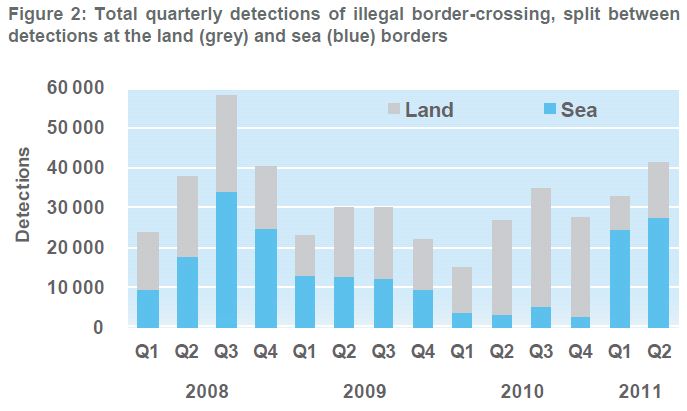
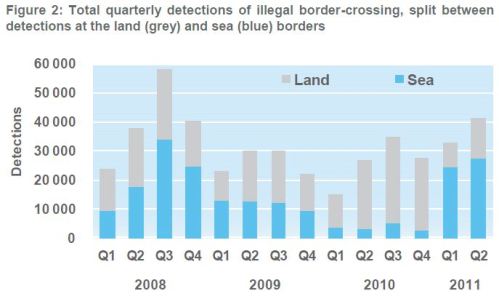
At the EU level, in Q2 2011 there were more detections of illegal border-crossing since Q3 2008. The total of 41 245 detections during this reporting period is a 25% increase compared the previous quarter and a 53% increase compared to the same period last year (Fig. 2). Without question there were major and extensive developments in illegal migration pressure at the external border of the EU, resulting from two simultaneous but independent hotspots of illegal border-crossings. The first was increased activity at the Greek land border with Turkey, where a range of Asian, north African and sub-Saharan African migrants were increasingly detected at very high levels. The second, and the undisputed hotspot for illegal border-crossing into the EU in Q2 2011, was at the Italian islands in the Central Mediterranean, where vast numbers of Tunisians, Nigerians and other sub-Saharan migrants landed in small sea vessels, the majority of which in Q2 had been forcibly departed from Libya.

Figure 2 shows the evolution of the FRAN indicator 1A – detections of illegal border-crossing, and the proportion of detections between the land and sea borders of the EU per quarter since the beginning of 2008. In Q2 2011 there were more detections of illegal border-crossing since the peak of Q3 2008 nearly three years ago. Compared to a year ago, detections at the EU land border decreased by 42% to 13 742 in Q2 2011, almost exclusively due to fewer detections of Albanian nationals following their new visa-free status; elsewhere at the land border (including Greece) trends were roughly stable. In contrast, at the sea border detections increased nine-fold to some 27 500 detections (Fig. 2), the vast majority of which (95%) were in the central Mediterranean, forming the major development in irregular migration to the EU in 2011.
[***]

At the EU level, detections of illegal border-crossing increased by 53% compared to a year ago (Fig. 3). However, this level masks a lot of variation among Member States. First, and most importantly to the current situation, was a 4 200% increase in detections of almost exclusively African migrants in Italy. Related to this central Mediterranean flow, was a concurrent and massive increase in detections reported from Malta (from 0 to 710), and also increases further west into Spain (+61%). As a result, all these countries have seen increases in other indicators such as asylum applications of the most common nationalities (see relevant sections). [***]

Routes

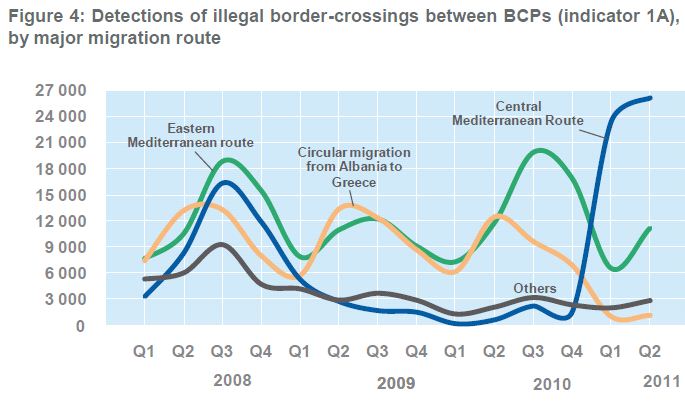
As illustrated in Figure 4, for just the second time since records began in early 2008, in Q2 2011 detections of illegal border-crossings on the Central Mediterranean route, which comprises the blue borders of Italy and Malta, exceeded those reported from both the (i) Eastern Mediterranean route of the land and sea borders of Greece, Bulgaria and Cyprus, and (ii) circular migration from Albania to Greece.
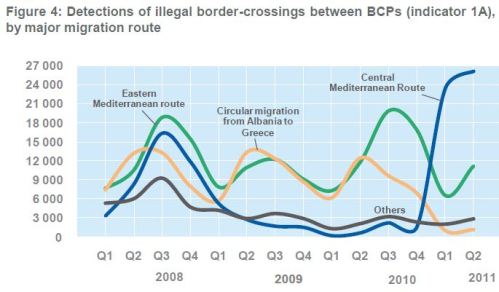
Without question, in Q2 2011 the single most important irregular-immigration route in terms of detections of illegal border-crossing was the Central Mediterranean route, where detections increased in the beginning of 2011 to previously unprecedented levels (Fig. 4). In the first quarter of 2011, and uniquely compared to previous surges of illegal immigration, this flow was restricted to a single nationality – Tunisian, most of whom were responding to civil unrest in their home country by leaving towards the Italian Island of Lampedusa. In response to this almost unmanageable influx of irregular migration at a single and isolated location, a bilateral return agreement was signed between Italy and Tunisia, which allowed for the accelerated repatriation of newly arrived individuals. Hence, during the current reporting period, the flow of Tunisian migrants fell from over 20 200 in the previous quarter to 4 300 in Q2 2011.

However, civil uprising commonly referred to as the Arab Spring, and its effects on migration in the area, was not limited to Tunisia. For example according to multiple sources, in next-door Libya, migrants from sub-Saharan countries were in Q2 2011 being coerced to move towards the EU by the Gaddafi regime in response to the NATO Operation Unified Protector which commenced on March 27 under United Nations Security Council Resolution 1973. Thus, in Q2 2011, besides some continued departures from Tunisia, the flow in the central Mediterranean was composed of a single flow of large numbers migrants from sub-Saharan countries departing Libya in small vessels. [***]

4.1.1 Eastern Mediterranean route

Detections of illegal border-crossings on this route increased seasonally and in line with previous years, from 6 504 in Q1 2011 to 11 137 in Q2 2011, almost exclusively due to a massive increase in detections at the Greek land border with Turkey, where detections increased from 6 057 to 10 582. [***]

4.1.2 Central Mediterranean route

In Q2 2011 there were 26 167 detections of illegal border-crossings on the Central Mediterranean route, a 10% increase even compared to the ‘peak’ reported during the previous quarter, and evidently a massive increase compared to the negligible detections throughout all of 2010. The vast majority of detections on this route were reported from Italy (25 500) where detections increased by 13% even compared to the ‘influx’ of migrants reported during Q1 2011. In Italy, Central African, Tunisian, Nigerian and Ghanaian were the mostly commonly detected nationalities, 90% of which were detected in the Pelagic Islands (14 300), most notably Lampedusa (Fig. 7). However, in Q2 2011 there were also more detections of illegal border-crossing reported from Sicily (2 260) than ever before; this figure is nearly three times bigger than that reported in the previous quarter and more than twenty times higher than during the same period last year (100). Compared to the previous quarter, in Sicily there were more detections of migrants from a very wide range of countries such as Egypt, Côte d’Ivoire and Tunisia. There were also over 710 detections reported from Malta, which is a sustained peak from the previous quarter (820) and extremely high compared to the negligible detections throughout 2010. In Malta there were much fewer detections of Somalis and Eritreans but there were increased detections of Nigerians and migrants from Côte d’Ivoire. However, migrants from Tunisia, Algeria and Egypt often claim to originate from sub-Saharan Africa in an attempt to appear as refugees, a fact which may render such comparisons of nationalities somewhat misleading.

In the previous FRAN Quarterly (Q1 2011) it was reported a surge of irregular immigration (20 000 detections) on the Central Mediterranean route that was almost entirely restricted to a single nationality: Tunisian (Fig. 8). As a result of this influx, on 20 February the JO EPN-Hermes Extension 2011 commenced in the central Mediterranean, and a bilateral agreement was reached between Italy and Tunisia on 5 April 2011, which resulted in the strengthening of police surveillance along the Tunisian coast and regular repatriations of Tunisian nationals from Italy. For example, according to data collected under JO Hermes 2011, some 1 696 Tunisians were repatriated between 5 April and 23 August 2011. The repatriation agreement is probably an effective deterrent, combining as it does, returns and surveillance, however some migrants have reported their boats being spotted by military patrols that did not take any action. According to the FRAN data, in Q2 2011 some 4 286 Tunisian migrants were still detected illegally crossing the border into Italy. Although a massive reduction, this still represents a very large and significant flow of irregular migrants into the EU.

In comparison to the reduction in flow from Tunisia, in Q2 2011 there was a large increase in migrants who had departed from Libya (Fig. 9). The migrants departing from Libya were mostly nationals from countries in the Horn of Africa, the sub-Saharan and Central African regions and, to a lesser extent, Asia. According to intelligence collected during JO EPN-Hermes Extension 2011, most of these migrants had already been in Libya for over a year, originally heading to Tripoli via the traditional routes for sub-Saharan and Central African migrants. In Q2 2011, migrants tended to reach Italy on large fishing vessels that had departed directly from Tripoli or the nearby ports of Medina and Janzour. Most of these deported African nationals did not want to leave the country as their standard of living in Libya was high compared to their home countries. Several even stated that they would choose to return to Libya after the war. In Q2 2011 reports suggest that some migrants were instructed to reach embarkation areas on their own but had been caught by the military or police and then detained in camps or disused barracks until they were transported to embarkation areas and onto vessels bound for Italy. In each case the migrants were searched by the military before boarding and all their belongings were confiscated. According to reports, nationals of the sub-Saharan and Central African regions as well as from Horn of African countries have been recruited by the Libyan army/police to manage their compatriot migrants at gathering places or camps. In some cases the destination of vessels from Libya was Sicily, where the flow was characterised by waves of landings. For example there were around 11 landings on 13 May and 7 between 11 and 29 June, with the majority of boats arriving from Libya and Egypt. [***]

4.1.3 Western Mediterranean route

In Q1 2011 there were 1 569 detections of illegal border-crossings on this route to Southern Spain, which is nearly double compared to the previous quarter (890), and more than a 50% increase compared to a year ago (973). Some of this increase is due to better weather conditions at this time of year, but irregular migration pressure on this route is clearly higher than it was at the same time last year. [***]

In the longer-term, irregular immigration to southern Spain has been consistently decreasing since the beginning of 2006. Commonly cited reasons are Frontex Joint Operations in the area, effective bilateral agreements and more recently rising unemployment in Spain, particularly in sectors typified by migrants.* Nationalities traditionally associated with this route were Algerian, Moroccan and Ghanaian. [***]

4.1.4 Western African route

The cooperation and bilateral agreements between Spain and the rest of the Western African countries (Mauritania, Senegal and Mali) are developing steadily. They are one of the main reasons for the decrease in arrivals on this route over the last year, as are the presence of patrolling assets near the African coast. In Q4 2010 Frontex reported a slight increase in the number of detections of illegal border-crossing at the Canary Islands, from a maximum of 50 during each of the previous 4 quarters, to 113 in Q4 2010. This increased level of detections persisted into the first quarter of this year (154), exclusively due to Moroccan nationals (152) displaced after the dismantling of migrant camps near the dispute Western Saharan region. However, during the current reporting period detections on this route decreased massively to a negligible 24 detections. [***]”

Click here for 2011 Q2 Report.

Click here for Frontex Statement regarding 2011 Q2 Report.

Click here for 2011 Q1 Report.

Click here for Frontex Statement regarding 2011 Q1 Report.
3 Comments

Filed under Aegean Sea, Algeria, Analysis, Cyprus, Data / Stats, Eastern Atlantic, Egypt, European Union, Frontex, General, Greece, Italy, Libya, Malta, Mauritania, Mediterranean, Morocco, News, Reports, Senegal, Spain, Tunisia, Turkey

HRW Report: Frontex Exposes Migrants to Abusive Conditions in Greece

Human Rights Watch yesterday issued a report entitled “The EU’s Dirty Hands: Frontex Involvement in Ill-Treatment of Migrant Detainees in Greece” which “assesses Frontex’s role in and responsibility for exposing migrants to inhuman and degrading detention conditions during four months beginning late in 2010 when its first rapid border intervention team (RABIT) was apprehending migrants and taking them to police stations and migrant detention centers in Greece’s Evros region. … ‘Frontex has become a partner in exposing migrants to treatment that it knows is absolutely prohibited under human rights law,’ said Bill Frelick, Refugee Program director at Human Rights Watch. ‘To end this complicity in inhuman treatment, the EU needs to tighten the rules for Frontex operations and make sure that Frontex is held to account if it breaks the rules in Greece or anywhere else.’ … ‘It’s a disturbing contradiction that at the same time that the European Court of Human Rights was categorically ruling that sending migrants to detention in Greece violated their fundamental rights, Frontex, an EU executive agency, and border guards from EU states were knowingly sending them there,’ Frelick said. … ‘As new migration crises emerge in the Mediterranean basin and as Frontex’s responsibilities expand, there is an urgent need to shift EU asylum and migration policy from enforcement-first to protection-first.’ Frelick said. ‘This is not only legally required, but the EU, its agencies, and member states can and should respect and meet the EU’s own standards.’”

As the HRW report notes, the humanitarian crisis on the Greece-Turkey land border was many years in the making, but among the contributing factors to the increased flow of migrants seeking to enter the EU at this location, which by November 2010 accounted for 90% of the detected illegal crossings at EU borders, were the enhanced migration control measures in the Central Mediterranean and West Africa, specifically the bi-lateral push-back practice being implemented at the time by Italy and Libya and Spain’s bi-lateral agreements with West African countries.  Increased sea patrols along Greece’s maritime borders also contributed to the shifting of the flow to the land border.

Frontex issued a statement (or click here) responding to the HRW report in which it welcomed the report and said it was “satisfied to note that its comments on the original draft were taken on board. The report now highlights an issue, which we agree, is of great importance. We would like to recall that Frontex fully respects and strives for promoting Fundamental Rights in its border control operations which, however, do not include organisation of, and responsibility for, detention on the territory of the Member States, which remains their exclusive remit. … Frontex was receiving signals of concern from national officers deployed to the region. The Agency has been extremely concerned with the conditions at the detention centres – a point which we raised on several occasions both with the Greek authorities and with the European Commission. Nevertheless, we continue to stress that at the practical level abandoning emergency support operations such as RABIT 2011 is neither responsible, nor does it do anything to help the situation of irregular migrants on the ground….”

Here is Cecilia Malmström’s comment from her blog on the HRW report (translated from Swedish by Google translate):

“I also had a long meeting [on 21 September] with Human Rights Watch who has published a highly critical report on the asylum system in Greece . They argue that the EU agency Frontex, by its presence legitimizes the poor conditions at the border of Greece. We are well aware of the totally unacceptable situation at the reception centres in Greece and I am very frustrated that the situation is so slow to improve, especially in Evros. But probably the situation would have been even worse if Frontex had not been in place. We continue to put pressure on Greece and the new regulatory framework for Frontex, which I have proposed and was adopted by Parliament last week to strengthen its work on human rights significantly. The report will also be discussed in the FRONTEX Agency board meeting next week.”   (“Jag hade också ett långt möte med Human Rights Watch som har publicerat en mycket kritisk rapport om asylsystemet i Grekland . De menar att EU-organet Frontex genom sin närvaro legitimerar de usla förhållandena vid gränsen i Grekland. Vi är väl medvetna om den helt oacceptabla situationen vid mottagningscentren i Grekland och jag är väldigt frustrerad över att det går så långsamt att förbättra situationen särskilt i Evros. Men troligen hade situationen varit ännu värre om inte Frontex hade varit på plats. Vi fortsätter att sätta press på Grekland och i det nya regelverk för Frontex som jag har föreslagit och som Europaparlamentet antog förra veckan stärks arbetet med mänskliga rättigheter väsentligt. Rapporten skall också diskuteras på Frontex styrelsemöte nästa vecka.”)

Excerpts from the HRW Report:

Key Recommendations

To the European Commission, the European Parliament and the European Council

  • Amend the Frontex Regulation to make explicit, and thereby reinforce, the obligation not to expose migrants and asylum seekers to inhuman and degrading detention conditions.
  • Amend proposed Frontex Regulation Art. 26a to empower the Fundamental Rights Officer to refer Frontex to the Commission for investigation and where appropriate infringement proceedings in the event that the Frontex executive director fails to suspend operations despite persistent and serious violations of the Charter and/or in the event that members states and their agents persistently violate the Charter during Frontex operations.

To Participating European States 

  • Suspend any participation in Frontex operations that fail to adhere to binding international human rights standards.
  • Instruct border guards deployed on Frontex missions on their obligations under international law. Ensure that border guards are trained and conversant regarding all rules and standards pertaining to the transfer and treatment of detainees.

To the Frontex Management Board

  • Suspend the deployment of EU border guards to Greece unless migrant detainees can be transferred to facilities elsewhere in Greece (or outside of Greece) that meet EU and international standards or until the conditions of detention in the Evros region where migrants are currently detained are improved and no longer violate European and international standards.
  • Intervene with Greek officials and monitor compliance to ensure that migrants apprehended by guest guards are transferred to detention facilities that comply with European and international standards.
  • Conduct thorough assessments of the risk that human rights violations may occur before engaging in joint operations or deploying RABIT forces.

To Greece

  • Implement the recently adopted asylum reform package as fully and as quickly as possible.
  • Ensure access to asylum procedures at the border and in the border region.
  • Reduce overcrowding by using alternative facilities and alternatives to detention as much as possible.
  • Immediately improve detention conditions, and immediately create open reception centers for asylum seekers and members of vulnerable groups, such as children.”

Click here for HRW Report.

Click here for HRW Press Release.

Click here or here for Frontex response.

Click here (EN) and here (EN) and here (FR) for articles.

Leave a comment

Filed under Aegean Sea, European Union, Frontex, Greece, News, Reports, Turkey

PACE Adopts Resolution and Recommendation Regarding the Interception and Rescue at Sea of Asylum Seekers, Refugees and Irregular Migrants

On 21 June 2011, PACE adopted Resolution 1821 and Recommendation 1974 both relating to “the interception and rescue at sea of asylum seekers, refugees and irregular migrants.” 

Here are extensive excerpts:

Provisional edition – The interception and rescue at sea of asylum seekers, refugees and irregular migrants – Resolution 1821 (2011)1

“1.       The surveillance of Europe’s southern borders has become a regional priority. The European continent is having to cope with the relatively large-scale arrival of migratory flows by boat from Africa, reaching Europe mainly through Italy, Malta, Spain, Greece and Cyprus.

[***]

5.       The Assembly notes that measures to manage these maritime arrivals raise numerous problems, of which five are particularly worrying:

5.1.       Despite several relevant international instruments satisfactorily setting out the rights and obligations of states and individuals applicable in this area, interpretations of their content appear to differ. Some states do not agree on the nature and extent of their responsibilities in specific situations and some states also call into question the application of the principle of non-refoulement on the high seas;

5.2.       While the absolute priority in the event of interception at sea is the swift disembarkation of those rescued to a “place of safety”, the notion of “place of safety” does not appear to be interpreted in the same way by all member states. Yet it is clear that the notion of “place of safety” should not be restricted solely to the physical protection of people, but necessarily also entails respect for their fundamental rights;

5.3.       Divergences of this kind directly endanger the lives of the persons to be rescued, in particular by delaying or preventing rescue measures, and are likely to dissuade seafarers from rescuing people in distress at sea. Furthermore, they could result in a violation of the principle of non-refoulement in respect of a number of persons, including some in need of international protection;

5.4.       Although the European Agency for the Management of Operational Cooperation at the External Borders of the Member states of the European Union (Frontex) plays an ever increasing role in interception at sea, the guarantees of respect for human rights and obligations arising under international and European Union law in the context of the joint operations it co-ordinates are inadequate;

5.5.       Finally, these sea arrivals place a disproportionate burden on the states located on the southern borders of the European Union. The goal of responsibilities being shared more fairly and greater solidarity in the migration sphere between European states is far from being attained.

6.       The situation is rendered more complex by the fact that these migratory flows are of a mixed nature and therefore call for specialised and tailored protection-sensitive responses in keeping with the status of those rescued. To respond to sea arrivals adequately and in line with the relevant international standards, the states must take account of this aspect in their migration management policies and activities.

[***]

8.       Finally and above all, the Assembly reminds the member states that they have both a moral and legal obligation to save persons in distress at sea without the slightest delay, and unequivocally reiterates the interpretation given by the Office of the United Nations High Commissioner for Refugees (UNHCR), which states that the principle of non-refoulement is equally applicable on the high seas. The high seas are not an area where states are exempt from their legal obligations, including those emerging from international human rights law and international refugee law.

9.       Accordingly, the Assembly calls on the member states, when conducting maritime border surveillance operations, whether in the context of preventing smuggling and trafficking in human beings or in connection with border management, be it in the exercise of de jure or de facto jurisdiction, to:

9.1.       fulfil without exception and without delay their obligation to save people in distress at sea;

9.2.       ensure that their border management policies and activities, including interception measures, recognise the mixed make-up of flows of individuals attempting to cross maritime borders;

9.3.       guarantee for all intercepted persons humane treatment and systematic respect for their human rights, including the principle of non-refoulement, regardless of whether interception measures are implemented within their own territorial waters, those of another state on the basis of an ad hoc bilateral agreement, or on the high seas;

9.4.       refrain from any practices that might be tantamount to direct or indirect refoulement, including on the high seas, in keeping with the UNHCR’s interpretation of the extraterritorial application of that principle and with the relevant judgements of the European Court of Human Rights;

9.5.       carry out as a priority action the swift disembarkation of rescued persons to a “place of safety” and interpret a “place of safety” as meaning a place which can meet the immediate needs of those disembarked and in no way jeopardises their fundamental rights, since the notion of “safety” extends beyond mere protection from physical danger and must also take into account the fundamental rights dimension of the proposed place of disembarkation;

9.6.       guarantee access to a fair and effective asylum procedure for those intercepted who are in need of international protection;

9.7.       guarantee access to protection and assistance, including to asylum procedures, for those intercepted who are victims of human trafficking or at risk of being trafficked;

9.8.       ensure that the placement in a detention facility of those intercepted – always excluding minors and vulnerable categories –, regardless of their status, is authorised by the judicial authorities and occurs only where necessary and on grounds prescribed by law, that there is no other suitable alternative and that such placement conforms to the minimum standards and principles set forth in Assembly Resolution 1707 (2010) on the detention of asylum seekers and irregular migrants in Europe;

9.9.       suspend any bilateral agreements they may have concluded with third states if the human rights of those intercepted are not appropriately guaranteed therein, particularly the right of access to an asylum procedure, and wherever these might be tantamount to a violation of the principle of non-refoulement, and conclude new bilateral agreements specifically containing such human rights guarantees and measures for their regular and effective monitoring;

9.10.       sign and ratify, if they have not already done so, the aforementioned relevant international instruments and take account of the Guidelines of the International Maritime Organisation (IMO) on the Treatment of Persons rescued at Sea;

9.11.       sign and ratify, if they have not already done so, the Council of Europe Convention on Action against Trafficking in Human Beings (CETS No. 197) and the so-called “Palermo Protocols” to the United Nations Convention against Transnational Organized Crime (2000);

9.12.       ensure that maritime border surveillance operations and border control measures do not affect the specific protection afforded under international law to vulnerable categories such as refugees, stateless persons, women and unaccompanied children, migrants, victims of trafficking or at risk of being trafficked, or victims of torture and trauma.

10.       The Assembly is concerned about the lack of clarity regarding the respective responsibilities of European Union states and Frontex and the absence of adequate guarantees for the respect of fundamental rights and international standards in the framework of joint operations co-ordinated by that agency. While the Assembly welcomes the proposals presented by the European Commission to amend the rules governing that agency, with a view to strengthening guarantees of full respect for fundamental rights, it considers them inadequate and would like the European Parliament to be entrusted with the democratic supervision of the agency’s activities, particularly where respect for fundamental rights is concerned.

[***]”

Provisional edition – The interception and rescue at sea of asylum seekers, refugees and irregular migrants – Recommendation 1974 (2011)1

“[***]

4.       [***] the Assembly reminds the Committee of Ministers of its dual responsibility: to support those member states that are in need, but also to make sure that all human rights obligations are complied with in the context of the interception and rescue at sea of asylum seekers, refugees and irregular migrants, including by guaranteeing to those intercepted access to a fair and efficient asylum procedure.

5.       The Assembly therefore calls on the Committee of Ministers to:

5.1.       include in the training material all necessary elements to enable the trained persons to proceed to a screening assessment of the international protection needs of intercepted persons and to ensure that staff involved in the operations of the European Agency for the Management of Operational Cooperation at the External Borders of the Member states of the European Union (Frontex) are trained accordingly;

5.2.       define, in close co-operation with the Office of the United Nations High Commissioner for Refugees (UNHCR), guidelines and standard operating procedures, when interception and rescue at sea takes place, determining minimum administrative procedures to guarantee that those persons with international protection needs are identified and provided with the appropriate protection;

5.3.       continue monitoring the situation of large-scale arrivals of irregular migrants and asylum seekers, and in particular the issue of interception and rescue at sea, including by holding extraordinary meetings on the situation, where appropriate, and use the good offices of the UNHCR with its representative at the Council of Europe, where relevant.”

Click here for full text of Resolution 1821 (2011).

Click here for full text of Recommendation 1974 (2011).

Click here  for speech by Tineke Strik (Netherlands, SOC) presenting the Resolution. (Scroll down page for the English text of speech.)

1 Comment

Filed under Aegean Sea, Council of Europe, Cyprus, Frontex, Greece, Italy, Libya, Malta, Mediterranean, News, Spain, Statements, UNHCR

Italy Surpasses Greek-Turkish Border as Main Entry Point to EU for Irregular Migrants

Frontex Deputy Executive Director Gil Arias announced today at a press conference that during the first quarter of 2011 most irregular migrants have entered the EU through Italy, primarily at Lampedusa.  In 2010 the Greek-Turkish border was the main entry point for irregular migrants.

A total of 32,906 irregular migrants were detected at the EU borders during the 1st Quarter 2011 compared with a total of 14,857 during the 1st Quarter of 2010.  Of the 32,906, 22,000 entered through Italy during the 1st Quarter, mostly at or around Lampedusa, and 7,200 entered the EU through Greece.

So far this year, January 1 to present, approximately 41,000 irregular migrants have entered the EU in the area around Lampedusa and other nearby islands.

Click here (EN), here (EN), here (IT), and here (IT) for articles.

1 Comment

Filed under Data / Stats, European Union, Frontex, Greece, Italy, Libya, Mediterranean, News, Tunisia, Turkey

Moreno-Lax, Int J Refugee Law, “Seeking Asylum in the Mediterranean: Against a Fragmentary Reading of EU Member States’ Obligations Accruing at Sea”

The latest edition of the International Journal of Refugee Law, contains an article by Violeta Moreno-Lax (PhD Candidate at Université catholique de Louvain; Visiting Fellow 2010-11 at Refugee Studies Centre, University of Oxford) entitled “Seeking Asylum in the Mediterranean: Against a Fragmentary Reading of EU Member States’ Obligations Accruing at Sea.”

Abstract: “Although both international and EU law impose a number of obligations on the EU Member States with regard to persons in distress at sea, their effective implementation is limited by the manner in which they are being interpreted. The fact that the persons concerned are migrants, who may seek asylum upon rescue, has given rise to frequent disputes and to episodes of non-compliance. Frontex missions and the Italian 2009 push-back campaign illustrate the issue. With the objective of clarifying the scope of common obligations and to establish minimum operational arrangements for joint maritime operations, the EU has adopted a set of common guidelines for the surveillance of the external maritime borders. On the basis of the principle of systemic interpretation, this article intends to contribute to the clarification of the main obligations in international and European law binding upon the EU Member States when they operate at sea.”

This is a revised and updated version of the paper presented at the 12th IASFM Conference held in Nicosia, 28 June-2 July 2009.  [The article was written and sent for typesetting before the various uprisings in North Africa – IJRL Editor, 4 March 2011]

Click here for link.  (Subscription or payment required.)

Leave a comment

Filed under Analysis, Eastern Atlantic, European Court of Human Rights, European Union, Frontex, Greece, Italy, Libya, Malta, Mauritania, Mediterranean, Senegal, Spain

Icelandic Coast Guard Rescues Disabled Migrant Boat Near Crete

An Icelandic patrol boat participating in Frontex Joint Operation Poseidon in the eastern Mediterranean rescued approximately 93 migrants from a disable vessel near Crete.  One media report indicated the passengers may be Egyptian.

Click here, here, and here for articles.

Leave a comment

Filed under Egypt, Frontex, Greece, Iceland, Mediterranean, News

Interview with Frontex Spokesperson Michal Parzyszek

Frontex spokesperson Michal Parzyszek was interviewed by the Sofia News Agency on 27 May.  Here are some excerpts:

Current Frontex sea operations: “Operation Hera, which is in the territorial waters of Senegal and Mauritania; Operation Indalo in Spanish waters; Operation Hermes in Italian waters; Operation Aeneas in Italian waters; Operation Poseidon in Greek waters.”

Frontex operations in Italy: “The help on part of Frontex in the southern waters, including in Italy, is more on providing risk analysis – to give a better idea of what is going on, and what can happen.  …  So in terms of [Frontez] assets, there are just two airplanes and two boats which are deployed there under Frontex in the waters south of Sardinia and south of Lampedusa.  …  There are 10-15 Frontex experts that are identifying the migrants once they reach the reception facilities there. They are deployed to Caltanissetta, Catania, Trapani, Crotone, and Bari….”

Arrivals to Lampedusa:  “It varies every day. You have days when you have no arrivals, and then suddenly you have 1 000 people arriving to Lampedusa. Since the start of the operation on February 20, 2011, there have been almost 31 000 people that arrived to Lampedusa.”

Irregular migrants prefer entering Greece rather than Bulgaria: “… In the case of Greece, a readmission agreement with Turkey doesn’t truly work; in the case of Bulgaria, the cooperation with Turkey is much better so the Turkish authorities – if they receive proper documentation and justification – they accept people back.  This is a very important element – potential migrants know that if they cross the border between Turkey and Bulgaria, there is high probability that they will be sent back to Turkey so they don’t choose that way….”

(HT to Euro-Police.)

Click here for full interview.

Leave a comment

Filed under Aegean Sea, Black Sea, Bulgaria, Eastern Atlantic, European Union, Frontex, Greece, Italy, Libya, Mauritania, Mediterranean, News, Senegal, Spain, Tunisia, Turkey

Interview with Frontex Deputy ED Gil Arias

EurActiv.es conducted an interview in Spanish with Frontex Deputy Executive Director Gil Arias where he speaks about several topics, including Frontex’s response to the current situation in North Africa, the possible implications for Spain should unrest spread to Algeria or Morocco, Frontex’s budget shortfall and need for supplemental funding, and the problems experienced by Frontex when it attempts to negotiate cooperation or training agreements with third countries.

Click here for interview. (ES)

Leave a comment

Filed under Egypt, European Union, Frontex, Greece, Italy, Libya, Malta, Mediterranean, News, Spain, Tunisia