Category Archives: States

Italy Conducted De Facto Push-Back of Migrants By Ordering Cargo Ship to Rescue and Transport Migrants to Libya

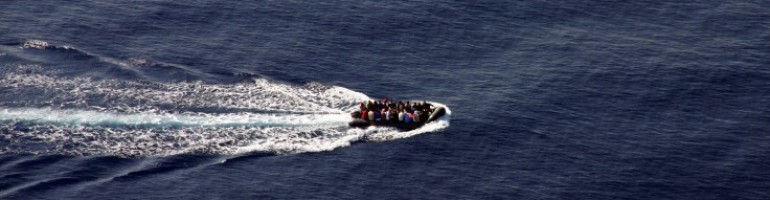
Just over a week ago Italian search and rescue authorities directed two commercial ships, an oil tanker and a cargo ship, to rescue two groups of migrants in distress off the Libyan coast.  After taking the migrants on board, both ships were ordered to transport the migrants to Libya.  One ship’s captain complied with the order and 96 migrants were turned over to Libyan authorities; the other captain refused and a several day stand-off between Malta and Italy resulted before Italy agreed to allow the migrants to be disembarked on Italian territory (see Malta Today: Malta blocks rescue ship from entering Malta waters; Malta orders ship to sail to Libya; Conditions on rescue ship worsen). 

The incident involving the two ships was by no means rare and what transpired raises a host of important issue. It is obviously good that one ship was permitted to disembark the rescued migrants on Italian territory.  But what transpired with the second ship that returned the rescued migrants to Libya is extremely problematic and amounted to a push-back.  Neither Italy nor Malta should be able to evade their responsibilities to consider asylum claims by ordering commercial ships to engage in rescue operations and then issuing orders to those commercial ships to return potential asylum seekers to a country such as Libya which is not a signatory to the Refugee Convention.

I copy below my recent commentary from Malta Today:

Was the captain of the Salamis right?

We asked Prof. Niels Frenzen about the legal implications of commercial ships effecting the rescue of migrants at sea on behalf of coastal states.

One week ago Italian search and rescue authorities directed two commercial ships, the Liberian-flagged oil tanker Salamis and the Turkish cargo ship Adakent, to divert from their courses to rescue two groups of migrants in distress off the Libyan coast.  Rescues like this take place almost daily, though most are conducted by national armed forces or coastguards.  Rescue operations conducted by commercial vessels raise different legal issues, one of the most important and problematic being where are the rescued persons to be disembarked.

And while disputes periodically arise between Italy and Malta when patrol boats belonging to the armed forces of one country have sought to disembark rescued persons in the other country – usually due to disagreement as to where the closest safe port is located in relation to the place of rescue – at the end of the day if the stand-off is not resolved, an AFM or Guardia di Finanza patrol boat is always able to disembark rescued survivors in their respective home ports.  This is not the case when commercial ships rescue survivors as was demonstrated by Malta’s decision not to permit the Salamis to enter Maltese waters for the purpose of disembarking the 102 rescued migrants.

Some government officials characterised the initial decision of the captain of the Salamis to attempt to disembark the rescued migrants in Malta as a violation of international law.  Such an assertion is inaccurate and fails to take into consideration the complicated framework of different international laws – search and rescue, human rights, and refugee – which come in to play when migrants are rescued or otherwise encountered in international waters, particularly when it is likely that there are asylum seekers or other persons in need of protection among the rescued persons. 

While Malta’s decision to bar the Salamis attracted significantly more international media attention than the events pertaining to the Adakent, these two incidents and the different resolutions highlight important legal issues.  After the two ships rescued and took on board the different groups of migrants, Italian authorities instructed both ships to disembark the rescued migrants in Libya because the migrants had departed from Libya.  The Adakent sailed to Tripoli – its planned destination before the rescue – and turned 96 rescued migrants over to Libyan authorities.  The captain of the Salamis disregarded Italy and Malta’s orders to sail to Libya and continued to sail towards Malta – its planned destination before the rescue.

Both ship captains properly carried out their clear legal obligation under international law to rescue the stranded migrants. The more difficult legal question is where should the rescued persons be taken once rescue operations are completed.  While international law does not explicitly answer the question, it does impose the obligation on a ship’s captain to disembark persons only in “a place of safety.” Since the 102 migrants rescued by the Salamis included Eritreans and Ethiopians it is clear that many of them were asylum seekers and therefore the captain was legally obligated to ignore the Italian and Maltese orders that the migrants be returned to Libya.

Assuming some or all of the 96 migrants rescued by the Adakent were also asylum seekers, the Adakent’s captain likewise should have disregarded Italian instructions to return the migrants to Libya.  Both the UNHCR and the International Maritime Organization (IMO) have issued guidelines to ship captains addressing the situations faced by the Salamis and Adakent.  The guidelines are based on the Search and Rescue Convention and the Refugee Convention and provide that if there is some reason to believe that a rescued person is an asylum seeker, the captain is obligated to take that fact into consideration when making a decision as to where to disembark the survivor.

Malta and Italy are well aware that many if not most migrants departing Libya by boat are asylum seekers and are also aware that many of the asylum claims will be granted if the asylum seeker is successful in lodging an application.  Had these two rescues been carried out by AFM or Guardia di Finanza patrol boats rather than the two commercial ships, the patrol boats would have been under a clear legal obligation to disembark the rescued migrants in a location where asylum or other claims for international protection could be properly considered.

The 2012 decision in the Hirsi v Italy case by the European Court of Human Rights condemned the Italian push-back practice which resulted in asylum seekers being returned to Libya without being given an opportunity to make asylum claims.  Neither Italy nor Malta can evade their responsibilities to consider asylum claims by diverting commercial ships to engage in rescue operations and then issuing orders to those commercial ships to return potential asylum seekers to a country such as Libya which is not a signatory to the Refugee Convention and does not provide an adequate alternate procedure to consider claims for protection.

There can be honest disagreement about where rescued migrants are to be disembarked as long as the survivors will be safe and protected when disembarked.  The Search and Rescue Convention obligates countries to coordinate and cooperate among themselves to permit rescuing ships to disembark rescued persons. Malta and Italy as sovereign countries have the right to control their borders, but this sovereign power has to be applied in manner that is consistent with international human rights and refugee law by which they have agreed to be bound.

4 Comments

Filed under Analysis, European Union, Italy, Libya, Malta, Mediterranean

PACE Calls for Urgent Measures to Assist Greece and Turkey With Mounting Migratory Tensions in Eastern Mediterranean

PACE, the Council of Europe’s Parliamentary Assembly, adopted a Resolution on 24 January 2013 calling for “firm and urgent measures [to] tackle the mounting pressure and tension over asylum and irregular migration into Greece, Turkey and other Mediterranean countries.”  The Resolution noted that Greece, with EU assistance, has enhanced border controls, particularly along its land border with Turkey and while “these policies have helped reduce considerably the flow of arrivals across the Evros border with Turkey, they have transferred the problem to the Greek islands and have not helped significantly in dealing with the situation of irregular migrants, asylum seekers and refugees already in Greece.”

The Resolution makes recommendations to the EU, Greece, and Turkey and calls on CoE members states to “substantially increase their assistance to Greece, Turkey and other front-line countries” in various ways, including:

  • provide bi-lateral assistance, including by exploring new approaches to resettlement and intraEurope relocation of refugees  and asylum seekers;
  • share responsibility for Syrian refugees and asylum seekers via intra European Union relocation and refrain from sending these persons back to Syria or third countries;
  • maintain a moratorium on returns to Greece of asylum seekers under the Dublin Regulation.

The Resolution was supported by a Report prepared by Ms Tineke Strik, Rapporteur, PACE Committee on Migration, Refugees and Displaced Persons.

Click here for full text of Resolution 1918(2013), Migration and asylum: mounting tensions in the Eastern Mediterranean.

Click here for PACE press statement.

Click here for Report by Rapporteur, Ms Tineke Strik, Doc. 13106, 23 Jan 2013.
Here are extensive excerpts from the Rapporteur’s Report (which should be read in its entirety):

Summary –  Greece has become the main entry point for irregular migratory flows into the European Union, while Turkey has become the main country of transit. [***]

Europe must drastically rethink its approach to responsibility sharing to deal with what is a European problem and not one reserved to a single or only a few countries. Member States are called on to substantially increase their support for Greece, Turkey and other front-line countries to ensure that they have a realistic possibility of dealing with the challenges that they face. In this the Council of Europe also has a role to play, for example through exploring resettlement and readmission possibilities, assisting States in dealing with their asylum backlogs and putting forward innovative projects to alleviate growing racism and xenophobia towards migrants, refugees and asylum seekers.

[***]

C. Explanatory memorandum by Ms Strik, rapporteur

1. Introduction

[***]

2. Greece is facing a major challenge to cope with both the large influx of mixed migratory flows, including irregular migrants, refugees and asylum seekers, and the current economic crisis. That said it is not the only country struggling to cope in the region. It is impossible to look at the situation of Greece without also examining that of Turkey, which is the main country of transit to Greece and is also having to shoulder responsibility for over 150 000 Syrian refugees.

3. In the light of the foregoing, it is necessary to examine the extent of the migration and asylum challenges at Europe’s south-eastern border, taking into account Turkey and Greece’s policy reactions. Two further elements have to be added to this, namely the social tensions arising within Greek society due to an overload of financial and migratory pressure and also the issue of shared responsibility in Europe for dealing with European as opposed to simply national problems.

2. The storm at Europe’s south-eastern border

2.1. Greece under pressure: irregular migration challenge and economic crisis

4. In recent years, hundreds of thousands of irregular migrants, asylum seekers and refugees crossed the Greek land, river and sea borders with many travelling through Turkey. In 2010, the large majority of mixed migratory flows entered the European Union through the Greek-Turkish border. This situation brings major challenges in terms of human rights and migration management.

5. According to statistics provided by the United Nations High Commissioner for Refugees (UNHCR), in 2010, more than 132 000 third-country nationals were arrested in Greece, including 53 000 in the Greek-Turkish border regions. During the first ten months of 2012, over 70 000 arrests occurred, including about 32 000 at the borders of Turkey.  People came from 110 different countries – the majority from Asia, including Afghanis, Pakistanis and Bangladeshis, as well as from Iraq, Somalia, and the Middle-East, especially Palestinians and an increasing number of Syrians.

6. Most migrants and asylum seekers do not want to stay in Greece and plan to continue their journey further into Europe. Many of them are however stuck in Greece, due to border checks and arrests when trying to exit Greece, the current Dublin Regulation, and the fact that many irregular migrants cannot be returned to their country of origin.

7. The context of the serious economic and sovereign debt crisis aggravates the situation and reduces the ability for the Greek Government to adequately respond to the large influx. [***]

2.2. Syria: a bad situation could get worse

8. In its Resolution 1902 (2012) on “The European response to the humanitarian crisis in Syria”, the Parliamentary Assembly condemned “the continuing, systematic and gross human rights violations, amounting to crimes against humanity, committed in Syria”. It described the humanitarian situation as becoming “more and more critical” for the estimated 1.2 million internally displaced Syrians and the 638 000 Syrians registered or awaiting registration as refugees in neighbouring countries.

[***]

11. By October 2012, 23 500 Syrian nationals had applied for asylum in EU member States, including almost 3 000 applications in September 2012 alone, and over 15 000 in Germany and Sweden.  Compared to neighbouring countries, asylum seeker numbers in the European Union currently remains manageable. However the number of Syrians trying to enter Greek territory in an irregular manner reached a critical level in July 2012, when up to 800 Syrians were crossing the Greek-Turkish land border every week. In the second half of 2012, more than 32% of sea arrivals to the Greek Islands were Syrian nationals.

2.3. Regional implications of mixed migratory arrivals

12. In recent years, Spain, Italy and Malta were at the forefront of large-scale sea arrivals. According to the UNHCR, in 2012, 1 567 individuals arrived in Malta by sea. 75% of these persons were from Somalia. The UNHCR estimates however that less than 30% of the more than 16 000 individuals who have arrived in Malta since 2002 remain in Malta.

13. Spain and Italy have signed and effectively enforced readmission agreements with North and West African countries cutting down on the mixed migration flows. These agreements have provided the basis for returning irregular migrants and preventing their crossing through increased maritime patrols and border surveillance, including in the context of joint Frontex operations.

14. As a consequence of shifting routes, migratory pressure at the Greek-Turkish border increased significantly and Greece became the main gate of entry into the European Union from 2008 onwards, with an interval in 2011 when the Arab Spring brought a new migratory flow to Italy and Malta. To give an idea of how much the routes have changed, Frontex indicated that in 2012, 56% of detections of irregular entry into the European Union occurred on the Greek-Turkish border.

15. Turkey, by contrast, has become the main transit country for migrants seeking to enter the European Union. Its 11 000-km-long border and its extensive visa-free regime make it an easy country to enter. An estimated half a million documented and undocumented migrants currently live in the country. This has brought a whole new range of challenges for Turkey and meant that it has had to develop a new approach to migration management and protection for those seeking asylum and international protection.  It has also faced problems in terms of detention of irregular migrants and asylum seekers. As with Greece, the conditions of detention have been highly criticised and steps are being taken to build new centres with the assistance of funding from the European Union.

16. Until recently, the traditionally complex Greek-Turkish political relations did not allow the pursuit and consolidation of an effective readmission policy with Turkey. Although Greece, for example, signed a readmission protocol with Turkey which goes back to 2001, the implementation of this was only agreed on in 2010. It is important that this bilateral agreement between Greece and Turkey functions effectively and this will be a challenge for both countries.

3. Shielding Greece through border management and detention: does it work?

3.1. Enhanced border controls at the Greek-Turkish land border (Evros region)

17. The unprecedented numbers of irregular migrants and asylum seekers attempting to cross the Greek-Turkish border in recent years put the existing capacities and resources of Greece under severe strain. To remedy this situation, the Greek authorities have adopted the “Greek Action Plan on Asylum and Migration Management”, which is the basis for reforming the asylum and migration management framework in Greece.

18. In this context, considerable efforts were undertaken to reinforce Greece’s external borders and particularly the Greek-Turkish border in the Evros region. This was done notably through building up operational centres, using electronic surveillance and night vision devices, and by deploying patrol boats to strengthen river patrols. The surveillance technology used is part of the efforts under the European Border Surveillance System (Eurosur).

19. The so-called operation “Aspida” (“shield”), initiated in August 2012, aims to enhance border controls, surveillance and patrolling activities at the Greek-Turkish land border. Approximately 1 800 additional police officers from across Greece were deployed as border guards to the Evros region.

20. Increased border controls in the context of this operation have not been without criticism. There have been worrying reports about migrants, including refugees and asylum seekers from Syria and other countries, being pushed back to Turkey over the Evros river.  Two incidents reportedly took place in June and October 2012, when inflatable boats were intercepted in the middle of the Evros river by Greek patrol boats and pushed back to Turkey before their boat was sunk, leaving people to swim to the Turkish shore.

21. In addition, the Greek authorities completed a barbed wire fence at the 12.5-km-land border in December 2012. The barrier which was criticised by EU officials when announced  and built without EU funding, cost an estimated 3 million euros.

22. As a consequence of these actions, the numbers of irregular land border crossings dropped from over 2 000 a week in the first week of August to below 30 a week in the second half of September. According to the regional governor of Eastern Macedonia and Thrace, they are now close to zero.  While the Greek authorities claim that these actions have resulted in a more than 80% decrease of irregular entries,  one can observe that migrants’ routes have shifted from the Greek-Turkish land border mainly to the sea border between both countries. This shift has been recognised by the Greek authorities.

23. Increased numbers of migrants are now arriving on the Greek Aegean islands of Lesvos, Samos, Symi and Farmkonissi. Between August and December 2012, 3 280 persons were arrested after crossing the Greek-Turkish sea border,  compared to 65 persons in the first seven months of 2012.

24. There has also been an increase in the number of deaths at sea. In early September 2012, 60 people perished when their boat sank off the coast in Izmir.  On 15 December 2012, at least 18 migrants drowned off the coast of Lesvos while attempting to reach the island by boat.

25. The spill over effect of new routes opening are now being felt by neighbouring countries, such as Bulgaria and some of the Western Balkans.

3.2. Systematic detention of irregular migrants and asylum seekers

26. Together with increased border controls, administrative detention remains the predominant policy response by the Greek authorities to the entry and stay of irregular migrants.  [***]

[***]

29. Particularly worrying are the conditions in the various detention centres and police stations where irregular migrants and asylum seekers are held, and which have frequently been criticised. The European Court of Human Rights has found Greece to be in violation of the right to freedom from inhuman or degrading treatment in several cases in recent years.  In addition, the European Committee for the Prevention of Torture and Inhuman or Degrading Treatment and Punishment (CPT) has regularly criticised the poor detention conditions of irregular migrants and asylum seekers and the structural deficiencies in Greece’s detention policy as well as the government’s persistent lack of action to improve the situation.  See also: CPT, Report on its visit from 19 to 27 January 2011, published on 10 January 2012, at: www.cpt.coe.int/documents/grc/2012-01-inf-eng.pdf, together with the reply by the Greek authorities, at: www.cpt.coe.int/documents/grc/2012-02-inf-eng.pdf. The conditions of detention in one centre in Greece were found to be so bad that a local court in Igoumenista acquitted, earlier this year, migrants who were charged with escaping from detention stating that the conditions in the centre were not in compliance with the migrants’ human rights.

[***]

3.3. Impediments in accessing asylum and international protection

35. Despite the current efforts by the Greek authorities to reform the asylum and migration management framework, the country still does not have a fair and effective asylum system in place. The Greek Action Plan on Migration and Asylum, which was revised in December 2012, sets out the strategy of the Greek Government. It foresees the speedy creation of a functioning new Asylum Service, a new First Reception Service and a new Appeals Authority, staffed by civil servants under the Ministry of Public Order and Citizens Protection, disengaging the asylum procedure from the police authorities. However problems in finding sufficient financial resources and qualified staff still give rise for concerns on the implementation of the plans.

[***]

4. Social tensions within Greek society

4.1. The social situation of migrants and asylum seekers

41. Greece’s efforts to deal with the influx of irregular migrants and asylum seekers suffers from there being no comprehensive migration policy. [***]

4.2. Discrimination, xenophobia and racist attacks against migrants

46. The mounting social tensions and the inadequate response by the State to address the difficult social situation of migrants, asylum seekers and refugees have led to an increase in criminality and exploitation of this group. In addition, migration has become a key confrontational political issue. This in turn has contributed to an increasingly wide-spread anti-immigrant sentiment among the Greek population.

47. Over the last two years there has been a dramatic increase in xenophobic violence and racially motivated attacks against migrants in Greece, including physical attacks, such as beatings and stabbings, attacks on immigrants’ residences, places of worship, migrants’ shops or community centres.  The Network for Recording Incidents of Racist Violence documented 87 racist incidents against migrants and refugees between January and September 2012.  Half of them were connected with extremist groups.

48. Members and supporters of Golden Dawn have often been linked with recent violent attacks and raids against migrants and asylum seekers. By using blatantly anti-migrant and racist discourse, often inciting violence, Golden Dawn gained 7% of the popular vote during the June 2012 parliamentary elections and support seems to be growing, according to recent polls. In October 2012, the Greek Parliament lifted the immunity from prosecution of the two Golden Dawn MPs who participated in the violent attacks against migrants in September.

49. The Council of Europe Commissioner for Human Rights has called on Greece to examine whether the “most overt extremist and Nazi party in Europe” is legal. It seems that Golden Dawn aims at political and societal destabilisation and gains by the failing policy regarding refugees and irregular migrants. In December 2012, the European Commission against Racism and Intolerance (ECRI) expressed its “deep concern” about the rise of Golden Dawn and asked the Greek authorities to “take firm and effective action to ensure that the activities of Golden Dawn do not violate the free and democratic political order or the rights of any individuals”.

5. The European responsibility for a European problem

5.1. European front-line States under particular pressure

50. This is not the first time that the Parliamentary Assembly expresses its concern on the particular pressure that European front-line States are confronted with. Resolution 1521 (2006) on the mass arrival of irregular migrants on Europe’s Southern shores, Resolution 1637 (2008) on Europe’s “boat people”: mixed migration flows by sea into southern Europe and Resolution 1805 (2011) on the large-scale arrival of irregular migrants, asylum seekers and refugees on Europe’s southern shores.

51. Despite the fact that most European Union countries have stopped returning asylum seekers to Greece under the Dublin Regulation following the judgment of the European Court of Human Rights in the case M.S.S. v. Belgium and Greece,  there are still some reports of returns from some countries based on this regulation.

52. The final agreement between the Council and the European Parliament on the revision of the Dublin Regulation still allocates responsibilities for asylum seekers to a single EU member State and does not present a more fundamental reform of the rules. European Union member States also rejected the idea of a mechanism to suspend transfers to those EU countries which were unable to manage the influx of asylum seekers into their territory, preferring to adopt an “early warning mechanism”.

5.2. Greece: A test case for European solidarity

53. This migratory pressure Greece is confronted with comes at a moment when the country is suffering as no other European country does from the current economic and social crisis. In response to these difficulties, the European Union has provided financial and technical assistance.

54. During the period of 2011-2013, Greece received 98,6 million euros under the Return Fund, 132,8 million euros under the External Border Fund and 19,95 million euros under the European Refugee Fund. The focus of funding was thus on border control and detention measures, to the detriment of the protection measures.

55. Frontex Joint Operation “Poseidon Land” was launched in 2010 at the borders between Turkey and Greece and between Turkey and Bulgaria. EU member States currently have 41 police officers and equipment deployed to the Evros border region in Greece.  They also support the Greek and Bulgarian authorities with the screening and debriefing of irregular migrants, and tackling irregular migratory inflows and smuggling networks towards Greece. In addition, Frontex has recently strengthened its patrols in the coastal waters in the Eastern Aegean between Greece and Turkey in the context of Joint Operation “Poseidon Sea”. European Union member States have deployed additional maritime surveillance assets at the sea border between Greece and Turkey. The joint operation was extended to also cover the West coast of Greece and today is Frontex’s main operational activity in the Mediterranean region.

56. Furthermore, the European Asylum Support Office (EASO) provides technical support to Greece and other EU member States whose asylum and reception systems are under particular pressure. Following the request by the Greek Government in February 2011, EASO started giving assistance and training in building up a new asylum system, improving reception conditions of asylum seekers in Greece and clearing the backlog of outstanding asylum claims. To do this they have deployed over 40 Asylum Support Teams of experts to the country.

57. While EU member States are ready to provide financial and technical assistance to help Greece in managing and controlling its borders, with a focus on both forced and voluntary returns as a policy solution, they are not keen on sharing the reception and processing of mixed migratory flows arriving at the European Union’s external border. According to the Greens/European Free Alliance of the European Parliament, “[m]igration will not be stopped by reinforcing border control, border management measures and forced returns; the current approach only reinforces human rights violations”.

58. As rapporteur I would largely agree with this statement, although I would add that while such policies may be able to solve a problem in one country, it then simply “passes the buck” to another. Should it be possible to seal Greece’s border, this would undoubtedly then put even greater pressure on Turkey and Bulgaria and then up the eastern borders of the European Union. This is an issue which will be the subject of a separate report by the Committee on Migration, Refugees and Displaced Persons.

59. The European Union response to the economic and financial crisis in Greece has been a massive bail out. Similar solidarity is however necessary with regards to the current social and humanitarian crisis in the field of migration and asylum. Europe is however doing too little, too late. A shared asylum policy that takes into account that the migratory pressures are not the sole responsible of one or a few European States, but a European problem, is even more essential in a time when the region is facing major instability. This instability will only increase further if the up and coming Golden Dawn party succeeds in exploiting the immigrant issue. Europe cannot afford to look away.

60. Increased migratory flows to European front-line States requires a fundamental rethink on solidarity and responsibility sharing. This includes swift solutions that go beyond mere financial and technical assistance and show greater solidarity in receiving refugees and asylum seekers and developing resettlement, especially currently for Syrian refugees from the neighbouring countries of Syria, and intra-EU relocation programmes, in particular where children and families are concerned. Assembly Resolution 1820 (2011) on asylum seekers and refugees: sharing responsibility in Europe provides meaningful recommendations in this respect.

6. Conclusions

61. The pressure of mixed migratory flows currently unfolding at the European Union’s external borders in the eastern Mediterranean requires rethinking of the entire solidarity system with the European Union and the Council of Europe. Greece, Turkey or other neighbouring countries should not be left with the primary responsibility of dealing with the mounting mixed migratory pressure from the South and East. A shared asylum and migration policy is even more essential at a time when the region is facing major economic and social instability.

62. Stricter border control, prolonging migrants’ and asylum seekers’ detention or constructing new detention facilities in Greece all contribute to further human rights violations taking place. They are not the way out of the problem and they do not persuade people fleeing from poverty or violence in their countries of origin to remain at home.

63. The recent efforts by the Greek authorities to introduce a more effective and humane system addressing the large number of irregular migrants and asylum seekers entering Greece is a welcome step in the right direction. Greece however faces a Herculean task in building up an efficient, fair and functioning system providing international protection to those in need.

64. Europe urgently needs to join forces to deal with the Syrian refugee problem, offering resettlement and relocation to relieve the burden falling on neighbouring States of Syria as well as its southern European States, and ensuring that Syrian refugees are not sent back.

65. The challenges are great but not insurmountable for Europe. Left to individual States they are.

[***]”

Click here for full text of Resolution 1918(2013), Migration and asylum: mounting tensions in the Eastern Mediterranean.

Click here for PACE press statement.

Click here for Report by Rapporteur, Ms Tineke Strik, Doc. 13106, 23 Jan 2013.

2 Comments

Filed under Aegean Sea, Analysis, Council of Europe, Frontex, Greece, News, Reports, Syria, Turkey, UNHCR

UNHCR: Record Number of Migrants and Refugees Crossed Gulf of Aden in 2012

The UNHCR reported on 15 January 2013 that “[a] record 107,500 African refugees and migrants made the dangerous journey from the Horn of Africa to Yemen in 2012. This is the largest influx into Yemen since 2006 when UNHCR began compiling these statistics. The previous record high was in 2011 when more than 103,000 people arrived in Yemen by sea.”  UNHCR estimates that 80% of the persons making the crossing are Ethiopian and the remainder Somali.   UNHCR estimates that approximately 100 persons drowned in 2012.  “Boats crossing to Yemen are often packed beyond capacity and smugglers, in order to avoid the Yemeni coast guard, force passengers into the water, often far from the shores and with tragic consequences.”

Click here for full UNHCR press release.

2 Comments

Filed under Data / Stats, Ethiopia, Gulf of Aden, News, Somalia, UNHCR, Yemen

UNHCR Reports 55 people missing or drowned off northern Somali coast

UNHCR Press Release:

“Fifty-five people are drowned or missing after an overcrowded boat capsized off the Somali coast on Tuesday night (18 December). UNHCR is greatly saddened by this latest tragic incident – the biggest loss of life in the Gulf of Aden since February 2011 when 57 Somali refugees and migrants from the Horn of Africa drowned while attempting to reach Yemen.

According to five of the survivors – all young Somali men – the boat was overcrowded and ran into trouble almost immediately after leaving the port of Bosasso in northern Somalia on Tuesday. It capsized just 15 minutes into its journey, spilling all 60 passengers into sea. Those on board were Ethiopians and Somalis.

To date, 23 bodies have been recovered, including those of 14 women, eight men, and a boy said to be less than four years of age. Five of the dead are confirmed to have been Ethiopians. The thirty-two remaining passengers are presumed to have drowned.

‘The tragic loss of so many lives is a new and stark reminder of the risks Somali refugees are taking as they flee their country’ said UNHCR Representative for Somalia, Bruno Geddo. ‘Without doubt, the Gulf of Aden is now the deadliest route for people fleeing conflict, violence and human rights abuses in the Horn of Africa.’

100,000 people have crossed the Red Sea and the Gulf of Aden this year, despite warnings from UNHCR and other aid agencies about the risks such trips involve. In addition to using unseaworthy and overcrowded boats, those fleeing the Horn of Africa region often fall prey to unscrupulous smugglers, in whose hands they can face exploitation, extortion and even death.

With the latest deaths, 95 people have drowned or gone missing in the waters between Somalia and Yemen this year. UNHCR and other agencies, through the local Migration Response Centre (MRC) in Bosasso are currently providing support and services to the survivors and assisting the local authorities with the ongoing recovery operations.

END

Further info: Andy Needham, UNHCR Somalia PI Officer +254 733 120 931 needham@unhcr.org

Andy Needham Public Information Officer UNHCR Somalia First Floor, Lion Place, Waiyaki Way 43801-00100 Nairobi, Kenya

Somalia Displacement Portal: https://data.unhcr.org/horn-of-africa/somalia.php

m: +254 733 120 931 d: +254 20 420 2103 o: +254 20 420 2000

needham@unhcr.org www.unhcr.org www.takeaction.unhcr.org “

5 Comments

Filed under Gulf of Aden, News, Somalia, UNHCR, Yemen

At Least 20 Persons Dead After Migrant Boat Capsizes in Aegean Sea

A migrant boat attempting to sail from Turkey to Greece reportedly capsized near the Greek island of Lesvos on Thursday or Friday.  The boat was carrying about 28 persons.  At least 20 bodies have been recovered.  Only one survivor has been located.  Media reports describe the migrants as Iraqis or “of Asian origin.”  The boat’s captain was reportedly Turkish.

Click here (EN), here (EN) and here (GR) for articles.

3 Comments

Filed under Aegean Sea, European Union, Frontex, Greece, News, Turkey

Guardian: Report of Syrians Having Been Turned Back on Evros River by Greek and Possibly Frontex Border Guards

A Guardian article today describes an incident which occurred earlier in the year which, if accurate, would indicate that Greek border guards and possibly border guards operating under Frontex Joint Operation Poseidon Land have returned Syrian asylum seekers (and migrants of other nationalities) to Turkish territory without registering and screening the migrants.

Excerpt: “This summer two people smugglers left 25 Syrian refugees to cross the Evros alone at night. There were two rubber dinghies. The first disappeared across the river into the night. The second …capsized. Most of the men, women and children could not swim. Some survived … The bedraggled Syrians who made it ashore [were detained].  After [irregular migrants are arrested], they are usually detained in administrative holding centres by the EU border police, Frontex, which has been deployed a few miles from the border since 2010. However, the group of Syrian refugees who made it across the Evros that night were not registered. Instead, they were arrested by officers in ‘blue uniforms’ and driven back to the river. ‘There were between 100 to 150 people by the river,’ said Farouk (not his real name), a 29-year-old from the Qamishli region in northern Syria. ‘They were of many nationalities, mainly Syrian. Some tried to make problems: they had paid a lot of money to get that far. When that happened, the police beat them. The police kicked and slapped them, including the women, they picked up children and threw them into the boat.’  The officers put people in small plastic boats, which they tied to larger, motorised boats, and returned them to Turkish territory.  … A UN High Commissioner for Refugees source said the organisation could not comment on Farouk’s story or illegal push-backs by Greek police in general. However, they acknowledged hearing similar accounts. ‘People say that there is a situation where people may enter the territory but are not registered as persons who are arrested in Greek territory. They are returned through use of force at night through the river. We think that these operations have been eliminated in the last two years.’ … Pasxalis Syritoudis, police chief of the northern Evros region, denied that his officers operated a push-back policy. … However, Syritoudis admitted that his main goal was to ‘prevent people entering Greek soil’. This meant sometimes his officers used boats to block migrants in dinghies from crossing the border. ‘We have 10 boats patrolling the river all the time. The boats are used to block people from crossing – to stop them getting to Greek territory.’…”

Click here for article.

2 Comments

Filed under European Union, Frontex, Greece, News, Turkey, UNHCR

UN Special Rapporteur on HR of Migrants expresses concern over plight of irregular migrants in Greece; calls for EU assistance; Frontex patrolling Greece-Italy sea border

The UN Special Rapporteur on the human rights of migrants, Prof. François Crépeau, has completed  a nine-day official visit to Greece, the fourth and last country visit in connection with a “a one-year comprehensive study to examine the rights of migrants in the Euro-Mediterranean region, focusing in particular on the management of the external borders of the European Union.”  The Special Rapporteur will present a thematic report on the human rights of migrants at the borders of the European Union to the UN Human Rights Council in May/ June 2013.  In addition to the visit to Greece, he previously conducted official visits to EU offices in Brussels, Tunisia, Turkey, and Italy.

One point of particular interest in the Special Rapporteur’s end-of-mission statement is that Frontex sea patrols in Greece are not along being used to patrol the external sea border of the EU (Greece-Turkey), but are also being used to patrol the sea border between Greece and Italy to prevent irregular migrants from leaving Greece.  (Is this within Frontex’s mandate?)  According to the end-of mission statement, Frontex Joint Operation Poseidon Sea “which used to cover the sea border between Greece and Turkey, was extended in 2012 to also cover the west coast of Greece, where migrants trying to reach Italy by boats operated by smugglers are intercepted and returned to Greece.”

The Special Rapporteur also notes “[t]he enhanced border controls at the Greek-Turkish land border under operation ‘Aspida’ (‘Shield’) initiated in August 2012, which included the deployment of approximately 1800 border police officers, coupled with the construction of a fence and the Frontex operation ‘Poseidon Land’ have resulted in a renewed influx of irregular migrants via the islands of the eastern Aegean Sea, with boats arriving on the different islands almost daily.”

Here are additional excerpts from the end-of-mission statement:

“[W]hile most EU countries have stopped returning asylum seekers to Greece under the Dublin II Regulation due to a decision of the European Court of Human Rights (M.S.S. vs Belgium and Greece), I was informed that there are still some returns to Greece based on this Regulation.”

“As the large number of irregular migrants stuck in Greece is mainly a result of EU policies and practices, there is a strong need for solidarity and responsibility-sharing within the EU in order to ensure full respect of the human rights of all these migrants.”

“While the role of the EU in managing the migration flows in Greece is crucial, the Greek government also needs to significantly step up its efforts in order to ensure that the rights of all migrants within its territory are fully respected.”

“I am deeply concerned about the widespread xenophobic violence and attacks against migrants in Greece, and I strongly condemn the inadequate response by the law enforcement agencies to curb this violence, and to punish those responsible.”

“I also deeply regret the Greek government’s new policy of systematically detaining everyone they detect irregularly entering the Greek territory, including unaccompanied children and families. I also regret the ‘sweep operations’ in the context of operation ‘Xenios Zeus’, which have led to widespread detention of migrants in different parts of the country, many of whom have lived and worked in Greece for years.”

Among the several preliminary recommendations to Greece and the EU was the recommendation that the EU “[e]nsure that the full protection of the human rights of all migrants, regardless of their status, is the primary consideration for its support to the Greek efforts in managing the migration flow entering the EU territory, including in relation to the activities undertaken by Frontex at the Greek borders.”

Click here for complete End-of-Mission Statement.

Click here for my previous post on the Special Rapporteur’s visits to other countries.

2 Comments

Filed under Aegean Sea, European Union, Frontex, Greece, Italy, OHCHR, Reports, Statements, Turkey

Frontex FRAN Report for Q2 2012

On 10 October Frontex released its FRAN (Frontex Risk Assessment Network) Quarterly Report for the Second Quarter of 2012 (April-June). As is always the case, the 70 page report contains a significant amount of information, graphs, and statistical tables regarding detections of illegal border crossings (land, air, and sea), irregular migration routes, detections of facilitators, detections of illegal stays, refusals of entry, asylum claims, returns, information regarding other illegal border activities, and more.  Here are some highlights (focusing on the sea borders):

Malta-  There was a significant increase in the number of Somalis reaching Malta. “Taking into account the professional planning of the trips, it is assumed that the modus operandi has changed and that Malta is now targeted on purpose, thereby replacing Italy as the preferred destination country for this nationality. The reason for this change has not yet been confirmed; however, in the past Malta resettled some Somali migrants in the United States and in some EU Member States, which might be acting as a pull factor.”

Spain-  “In this region there was a new modus operandi involving facilitators dropping off migrants in the Chafarinas Islands, a Spanish archipelago 2 nautical miles away from the Moroccan coastline.”

“As reported in the previous FRAN Quarterly, in February 2012 Moroccan and Spanish Ministers of Interior signed a police agreement to create two joint police stations in the Spanish (Algeciras) and Moroccan (Tangiers) territories to cooperate by exchanging operational information and best practices between different police services.”

Italy-  “Throughout the quarter, Italy and Tunisia cooperated efficiently to repatriate Tunisian nationals and so most migrants typically arrived undocumented to delay readmission.”

Central Mediterranean-    “[D]etections in the Central Mediterranean showed a seasonal increase but were much reduced (-86%) compared with the dramatic peak during the same period in 2011. Indeed, in the second quarter of 2012 detections in this region resembled the pre-Arab Spring levels reported during the summer of 2010. … The Central Mediterranean was recently affected by increased detections of Somalis, and a steady trend of Tunisians and Egyptians.”

“In Q2 2012, there were no Joint Operations running in the Central Mediterranean Sea, therefore Frontex and the FRAN community are unable to utilize intelligence obtained through the direct debriefing of migrants. However, valuable information has been obtained from interviews carried out by the Maltese authorities. Such preliminary interviews revealed that some of the Somali migrants arriving in Malta had been promised that they would be brought to Italy. They departed from an unknown location in Libya and travelled for up to three days in boats before either being intercepted by Maltese authorities or reaching the shore. The average fare was said to be around USD 1 000 per person.”

“Subsequent to the reporting period, JO Hermes 2012 was launched on 2 July and is currently planned to run until 31 October 2012 as a continuation of the deployment of JO Hermes Extension 2011, which ended just before the reporting period, on 31 March 2012. JO Hermes 2012 has been established to support the Italian authorities in tackling maritime irregular migration along the coasts of Sicily, Pantelleria and the Pelagic islands (Lampedusa, Linosa, Lampione).”

Western Mediterranean –   “Detections in the Western Mediterranean were almost equally comparable to Q2 2011…”

“JO EPN Indalo 2012 started on 16 May and is currently scheduled to run until 31 October 2012. So far the number of irregular migrants apprehended in the operational areas is almost double that of the same period in 2011. Analysis of the information provided by the Spanish authorities also indicates a new increasing trend in the number of Algerian and Moroccan migrants per boat since the beginning of 2012.”

Western Africa –  “[D]etections increased to a large degree, yet from lower bases, on the … Western African route (+29%).” “In the second quarter of 2012, there were just 31 detections of illegal border-crossing in this region, almost exclusively of Moroccan nationals.”

“As reported in previous FRAN Quarterlies, the Western African route from the north of Mauritania to the Western Sahara territory is being reopened by illegal migration facilitation networks. It has been inactive for years but recently an estimated 2 000 sub-Saharans (particularly from Senegal) settled in the Western Saharan coastal cities of El Aaioún and Dakhla and in the last few months ~20 000 Senegalese nationals have entered Mauritania along these routes to the north.”

“During the reporting period there was no Frontex operation relevant for the Western African Route.”

Eastern Mediterranean-  “Subsequent to the reporting period (July 2012), JO EPN Aeneas 2012 was launched and is currently scheduled to run until the end of October 2012. There are two operational areas, Apulia and Calabria, covering the seashore along the Ionian Sea and part of the Adriatic Sea.”

Here are extensive excerpts from the Report with a focus on the sea borders:

“Executive summary

Taken as a whole, in Q2 2012, detections of illegal border-crossing were reduced by nearly half compared to the same quarter in 2011 due to the simultaneous effects of the winding down of the Arab Spring and fewer Albanian circular migrants entering Greece. However, detections at the undisputed long-term hotspot for irregular migration – the Greek land border with Turkey – were some 25% higher than during the same period in 2011 due to increased detections of migrants from Bangladesh and particularly Syria. [***]

In the Central Mediterranean, where detections peaked in 2011 during the Arab Spring, migrants from Somalia were increasingly detected in Malta. Specifically, in May 2012 the arrival of Somali migrants in Malta increased significantly while Italy registered a decrease in the number of Somali migrants apprehended in Sicily and the Pelagic Islands. The detected Somalis were mainly young males many of whom had been imprisoned by police or military forces during their travels through Libya. Taking into account the professional planning of the trips, it is assumed that the modus operandi has changed and that Malta is now targeted on purpose, thereby replacing Italy as the preferred destination country for this nationality. The reason for this change has not yet been confirmed; however, in the past Malta resettled some Somali migrants in the United States and in some EU Member States, which might be acting as a pull factor. Also, there is some evidence that facilitation networks located in Malta have tried to forward migrants to Sicily. [***]

The Western Mediterranean route was apparently dominated by local migrants from Morocco and Algeria but with large numbers of unknown nationalities it is assumed that local migrants were also accompanied by long-distance migrants probably from sub-Saharan Africa. In this region there was a new modus operandi involving facilitators dropping off migrants in the Chafarinas Islands, a Spanish archipelago 2 nautical miles away from the Moroccan coastline. [***]

4.1 Detections of illegal border-crossing

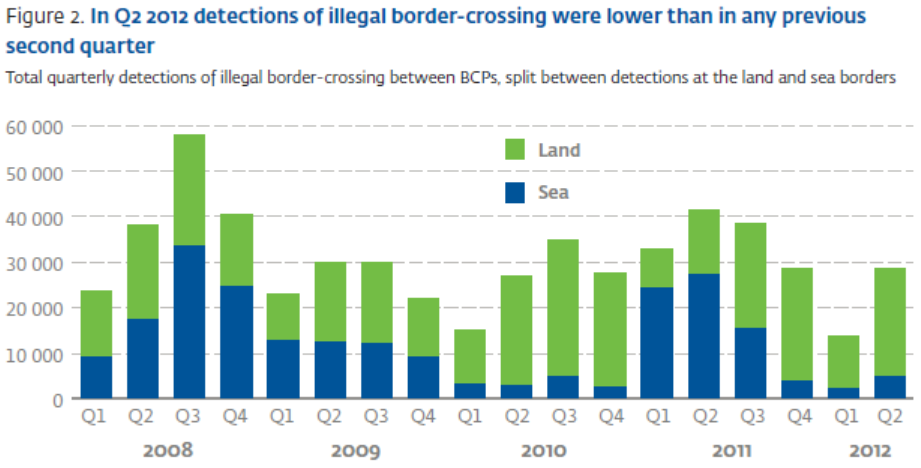
Overall, in Q2 2012 there were 23 092 detections of illegal border-crossing at the EU level, which is a considerable if somewhat expected seasonal increase compared to the previous quarter, and a 44% decrease compared to the same period in 2011 amidst the influx of migrants during the Arab Spring. Taken as a whole, detections of illegal border-crossing in Q2 2012 were lower than in any other second quarter since FRAN reporting began. Most probably, the low number of detections was due to the overlapping effects of the end of the Arab Spring in its initial countries (Egypt, Libya, Tunisia) and far fewer detections of circular Albanian migrants in Greece. The vast majority of detections were at the EU external land border (77%). [***]

[***] Ranked third among border sections [after the Greece-Turkey land border and the Greece-Albania border section] in Q2 2012 was the blue border of Sicily, where Tunisians, Egyptians and Somalis were increasingly detected. [***]

Figure 2 shows the evolution of the FRAN Indicator 1A – detections of illegal border-crossing, and the proportion of detections between the land and sea borders of the EU per quarter since the beginning of 2008. The second quarter of each year is usually associated with improving weather conditions more favourable for approaching and illegally crossing the external border of the EU. Moreover, conditions that are more favourable for illegal border-crossing are also more favourable for detection. The combination of these two effects tends to produce the highest number of detections during the second quarter of each year. [***]

 2012-10-10_Frontex_FRAN_Q2_2012-FIG_2

Without question, during the second quarter of 2012 the migrants that were detected with the most increasing frequency were those from Bangladesh (+35%), Somalia (+62%), Algeria (+88%) and Syria (+639%) (Fig. 5). In fact, more migrants from Syria were detected than ever before (2 024). Detections of most of these nationalities were concentrated at the Greek land border with Turkey, with the exception of Somalis, who were mostly detected in Malta. Indeed, Somalis were particularly notable in that their detections were distributed across a very wide range of locations; as well as Malta and the Greek land border with Turkey, they were also detected in Sicily, Lampedusa and the Slovakian land border with the Ukraine. [***]

[M]igrants from Algeria were not only increasingly detected at the Greek land bor[d]er with Turkey, but also in the Spanish maritime region of Almeria and at the Romanian land border with Serbia.The latter case is assumed to represent secondary movements through the Western Balkans region.

4.2 Routes

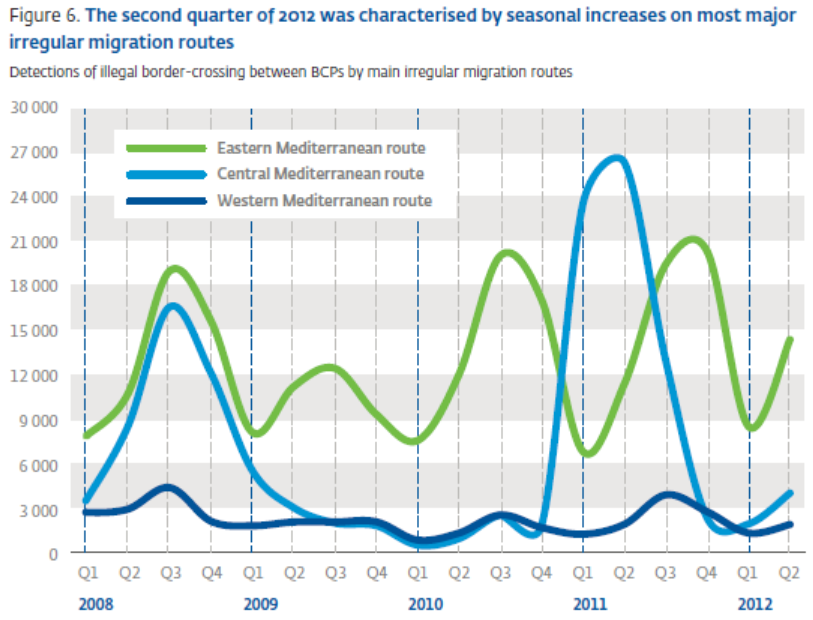
In 2011, detections of illegal border-crossing on the Central Mediterranean route peaked briefly during the period of turbulent sociopolitical developments in North Africa, known as the Arab Spring. In contrast, on the Eastern Mediterranean route, detections have followed a remarkably seasonal pattern over the last two years. Throughout 2011 detections in the Western Mediterranean (land and sea borders with Spain) steadily increased.

As illustrated in Figure 6, the Eastern and Central Mediterranean routes reported the most detections of illegal border-crossing in the second quarter of 2012, and were characterized with seasonal increases consistent with previous years, aside the Central Mediterranean region during the Arab Spring.

2012-10-10_Frontex_FRAN_Q2_2012-FIG_6

In Q2 2012, there were 14 125 detections of illegal border-crossing on the Eastern Mediterranean route, an increase of 27% compared to the same period in 2011 (Fig. 6) rendering this region the undisputed hotspot for illegal entries to the EU during the current reporting period. Elsewhere, detections in the Central Mediterranean showed a seasonal increase but were much reduced (-86%) compared with the dramatic peak during the same period in 2011. Indeed, in the second quarter of 2012 detections in this region resembled the pre-Arab Spring levels reported during the summer of 2010. Detections in the

Western Mediterranean were almost equally comparable to Q2 2011, whereas detections increased to a large degree, yet from lower bases, on the Eastern Borders route (+103%), Western Balkans route (+50%) and Western African route (+29%).

These routes not only differed in their magnitudes over time but also in the composition of detected nationalities. Consistent with previous periods, detections on the Eastern Mediterranean route were dominated by migrants from Afghanistan, and more recently Bangladesh, Algeria and Syria. The Central Mediterranean was recently affected by increased detections of Somalis, and a steady trend of Tunisians and Egyptians. [***]

[T]he Western Mediterranean route was apparently dominated by local migrants from Morocco and Algeria but with large numbers of unknown nationalities it is assumed that local migrants are also accompanied by other long-distance migrants probably from sub-Saharan Africa. The exception was the much less used Western African route, which was exclusively affected by local migrants from Morocco.

4.2.1. Eastern Mediterranean route

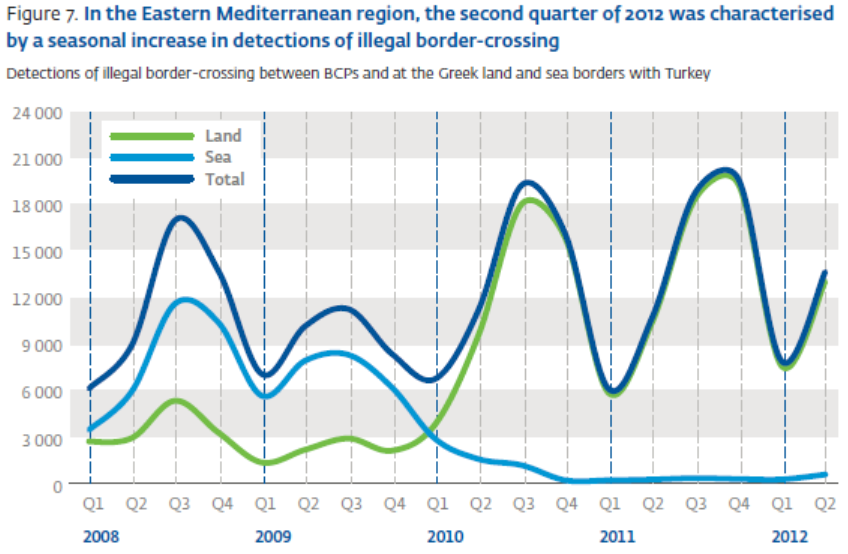
Since data collection began in early 2008, the Eastern Mediterranean has maintained its status as a major hotspot of irregular migration. Detections have followed a remarkably seasonal pattern invariably peaking in the third quarter of each year and concentrated at the border between Greece and Turkey, with a shift from the sea border to the land border visible in late 2009 (Fig. 7). Unusually, at the end of 2011 detections of illegal border- crossing on the Eastern Mediterranean rote remained almost constant between the third and final quarters of the year, resulting in the first recorded example of a sustained peak of detections at that time of year. This was due to an unexpected increase in detections at the Greek land border with Turkey, particularly in October. [***]

2012-10-10_Frontex_FRAN_Q2_2012-FIG_7

Italian Ionian Coast: For some time there has been a steady flow of Afghans and, to a lesser extent, Pakistanis arriving in the Southern Italian blue borders of Calabria and Apulia with some increases during Q2 2012.

Subsequent to the reporting period (July 2012), JO EPN Aeneas 2012 was launched and is currently scheduled to run until the end of October 2012. There are two operational areas, Apulia and Calabria, covering the seashore along the Ionian Sea and part of the Adriatic Sea.

According to Croatian open sources* in July, some 65 Asian and African migrants presumed to be heading to Italy were found drifting some 47 nautical miles south of Dubrovnik due to a broken engine (Fig. 12). They had been drifting for two days. The migrants, who had departed from Greece, did not want to be rescued by the Croatian authorities as they wanted to go to Italy. After several hours of negotiations, the authority for search and rescue towed the sailing boat to the nearest Croatian port.

There was also a recent increase in the numbers of Bangladeshis, Iraqis, Moroccans and Syrians arriving in Apulia from Greece but these detections were in much lower numbers than other nationalities. [***]

4.2.2. Central Mediterranean route

Irregular migration in the Central Mediterranean massively fluctuated in size and composition during 2011, largely due to the political and civil unrest across North Africa, particularly in Tunisia and Libya. Since Q4 2011, the situation has significantly improved following better cooperation between Italian and Tunisian authorities concerning the return of Tunisian nationals.

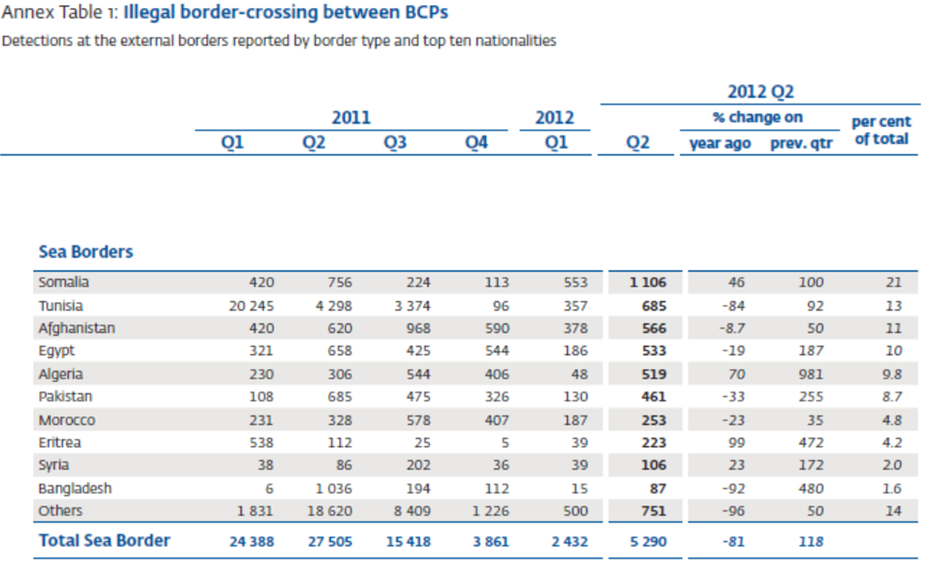
According to FRAN data, in Q2 2012 there were just 3 685 reported detections of illegal border-crossing on the Central Mediterranean route, a massive decrease compared to the peak in last year in Q2 2011 but an increase compared to late 2011 and early 2012. The increase was almost entirely due to more detections of migrants from Somalia (1 094) combined with a steady stream of migrants still arriving from Tunisia. Several nationalities previously detected in high numbers particularly in 2011 were not detected in significant numbers, including Bangladeshis (72) and Nigerians (19).

Migrants from Somalia – During May 2012, the arrival of Somali migrants in Malta increased significantly while

Italy registered a decrease in the number of Somali migrants apprehended in Sicily and the Pelagic Islands. In most cases, groups of males, females and minors (or families) were found on board rubber dinghies with outboard motors. A few of the boats were detected in Italian territorial waters in some distress after the migrants had called the Italian authorities for help using satellite telephones. The boats that recently headed for Malta were either intercepted by Maltese patrol boats or made it to the island without being intercepted.

Detected Somalis were mainly young males (aged 18–24) with secondary education and low or no income. The main reason for the migration was socio-economic, but in some cases it was military conflict. In Q2 2012, there were no Joint Operations running in the Central Mediterranean Sea, therefore Frontex and the FRAN community are unable to utilize intelligence obtained through the direct debriefing of migrants. However, valuable information has been obtained from interviews carried out by the Maltese authorities. Such preliminary interviews revealed that some of the Somali migrants arriving in Malta had been promised that they would be brought to Italy. They departed from an unknown location in Libya and travelled for up to three days in boats before either being intercepted by Maltese authorities or reaching the shore. The average fare was said to be around USD 1 000 per person.

Migrants from Tunisia – Most Tunisian migrants detected arriving in the Central Mediterranean Region were young (18–35 years) unmarried males with a primary level of education and low previous incomes (EUR 80–180 per month). All interviewed migrants declared to have relatives or friends already in the EU, especially in Italy, and they arrived on boats containing on average 20 migrants (Fig. 13).

Throughout the quarter, Italy and Tunisia cooperated efficiently to repatriate Tunisian nationals and so most migrants typically arrived undocumented to delay readmission. Subsequent to the reporting period, JO Hermes 2012 was launched on 2 July and is currently planned to run until 31 October 2012 as a continuation of the deployment of JO Hermes Extension 2011, which ended just before the reporting period, on 31 March 2012. JO Hermes 2012 has been established to support the Italian authorities in tackling maritime irregular migration along the coasts of Sicily, Pantelleria and the Pelagic islands (Lampedusa, Linosa, Lampione).

4.2.3. Western Mediterranean route

Irregular migration in the Western Mediterranean region increased throughout 2011 from just 890 detections in Q1 2011 to 3 568 detections in Q3. In Q2 2012, there were 1 549 detections which almost exactly corresponds to the number of detections the year before in Q2 2011 (1 569). As was the case a year ago, most detections were of Algerians followed by migrants of unknown nationalities (presumed to be sub-Saharan Africans) and Moroccans.

Recently, the size of the sub-Saharan population coming from Algeria has increased in different settlements adjacent to the Melilla border fence. Criminal networks operate more easily in this north eastern region of Morocco and the Spanish authorities treat a large-scale illegal crossing of the fence to the Spanish side as a real possibility. Attempts to cross have been made in the past involving groups of dozens or even hundreds.

JO EPN Indalo 2012 started on 16 May and is currently scheduled to run until 31 October 2012. So far the number of irregular migrants apprehended in the operational areas is almost double that of the same period in 2011. Analysis of the information provided by the Spanish authorities also indicates a new increasing trend in the number of Algerian and Moroccan migrants per boat since the beginning of 2012. The improvement of the weather and sea conditions during the reporting period impacted on the number of boats detected, with a gradual increase of the number of arrivals during the peak period, which according to data from the last two years is from May to October.

Migrants from Algeria – According to information gathered during interviews, most Algerians were single male adults aged 19–36 on average, but there were also a few females and minors in good health. Most migrants belonged to the lower middle class and, despite having a high level of education compared to sub-Saharan nationals, they suffered from a generalised lack of opportunities, welfare and access to public health services. Nearly all the Algerian migrants spoke Arabic with a few French and English speakers, but all were undocumented to avoid repatriation after arriving in Spain. The majority had relatives or friends in EU Member States, mainly in France and Spain, who could help them to find a job and settle within the ethnic communities already established in these countries.

4.2.4. Western African route

In the second quarter of 2012, there were just 31 detections of illegal border-crossing in this region, almost exclusively of Moroccan nationals.

As reported in the previous FRAN Quarterly*, in February 2012 Moroccan and Spanish Ministers of Interior signed a police agreement to create two joint police stations in the Spanish (Algeciras) and Moroccan (Tangiers) territories to cooperate by exchanging operational information and best practices between different police services. The goal of this cooperation is to strengthen the efforts and improve the results against organized crime operating on both sides of the Strait of Gibraltar involved in the smuggling of drugs, international terrorism, irregular migration and trafficking in human beings.

Following these developments, both International Police Cooperation Centres became operational during May 2012 (Fig. 14). The International Joint Police Stations are going to be integrated with National Police / Guardia Civil (Spain) and General Direction for National Security (Police) / Royal Gendarmerie (Morocco) staff for a rapid and effective exchange of information.

As reported in previous FRAN Quarterlies, the Western African route from the north of Mauritania to the Western Sahara territory is being reopened by illegal migration facilitation networks. It has been inactive for years but recently an estimated 2 000 sub-Saharans (particularly from Senegal) settled in the Western Saharan coastal cities of El Aaioún and Dakhla and in the last few months ~20 000 Senegalese nationals have entered Mauritania along these routes to the north.

During the reporting period there was no Frontex operation relevant for the Western African Route. [***]”

2012-10-10_Frontex_FRAN_Q2_2012-Annex Table 1_Sea Borders only

Click here or here for Report.

4 Comments

Filed under Aegean Sea, Analysis, Data / Stats, Eastern Atlantic, European Union, Frontex, Greece, Italy, Libya, Malta, Mauritania, Mediterranean, Morocco, Reports, Spain, Tunisia

European Commission’s Second Biannual Report on Schengen Area

The European Commission released its “Second biannual report on the functioning of the Schengen area” covering the period 1 May 2012-31 October 2012.  (COM(2012) 686 final, 23.11.2012)  The first reporton the Schengen area was released in May of this year.  (COM(2012) 230 final, 16.5.2012)

Here are a few excerpts from the 8 page document:

The Commission intends to present a legislative proposal in early 2013 to replace the Frontex sea border operations rule (Council Decision 2010/252/EU) that was annulled by the Court of Justice on 5 September 2012;

Subsequent to the issuance of a letter of formal notice to Greece in October 2009 in response to “allegations of serious difficulties faced by migrants in applying for asylum and ill-treatment of asylum-seekers, including the turning back of persons who may face serious harm or persecution”, the Commission is continuing to analyse the situation “in the light of constant developments, such as the progress made in the implementation of the Greek National Action Plan.”;

Subsequent to a Commission request to Italy in July 2009 “to provide information on the measures to avoid the risk of refoulement” and the February 2012 European Court of Human Rights decision in the Case of Hirsi v. Italy, “[a]gainst this background, the Commission is now analysing the implications of this ruling on border surveillance operations at sea and on the asylum acquis.

Click  here or here for Second Report.

Click here for First Report.

2 Comments

Filed under Aegean Sea, European Court of Human Rights, European Union, Frontex, Greece, Italy, Judicial, Libya, Mediterranean, Reports

UN Special Rapporteur on HR of Migrants expresses concern over Italy-Libya cooperation on migration

The UN Special Rapporteur on the human rights of migrants, Prof. François Crépeau, for the past six months has been conducting “a one-year comprehensive study to examine the rights of migrants in the Euro-Mediterranean region, focusing in particular on the management of the external borders of the European Union.”  The Special Rapporteur will present a thematic report on the human rights of migrants at the borders of the European Union to the UN Human Rights Council in June 2013.  To date he has concluded official visits to EU offices in Brussels, Tunisia, Turkey, and Italy; a nine-day visit to Greece began on 25 November.  The Special Rapporteur has issued preliminary conclusions at the end of each completed mission.  One common concern is that various actions of the EU and neighbouring countries are resulting in human rights considerations being overshadowed by migration control and security objectives.

At the conclusion of the most recent mission to Italy (30 September – 8 October 2012), the Special Rapporteur expressed concern over Italy’s (and the EU’s) ongoing cooperation with Libya:

“Another matter of paramount importance are the bilateral cooperation agreements negotiated between Italy and its neighbours on the question of migration. Although the EU has negotiated a number of EU wide readmission agreements, the absence of a clear regional framework for such agreements, including a lack of minimum human rights standards, has led to the creation of a number of bilateral readmission agreements between Italy and its neighbours which often do not appear to have human rights at their core.  Of particular concern is the Italy-Libya bilateral cooperation on migration. The 2008 agreement formalised cooperation to strengthen Libya`s capacity to intercept irregular migrants on Libyan territory or territorial waters, even though Libya’s record at effectively protecting the human rights of migrants was poor and reports of human rights abuses of migrants in Libya were frequent. In line with the decision of the European Court of Human Rights pronounced in the Hirsi case that such ‘push-backs’ by Italian authorities towards Libya were not acceptable, the agreement is currently suspended and the Hirsi-defined push-backs appear to have ceased. However, Italy-Libya migration cooperation was recently reinforced through a 2012 processo verbale. This new political framework however, contains very little concrete information on strengthening Libya’s normative framework and institutional capacities regarding the human rights of migrants.”

The Special Rapporteur also expressed concern that the current technical assistance in Search and Rescue capability being provided by Italy to Libya is in effect disguised migration control assistance:

 “Moreover, I have learnt of increased bilateral cooperation between Italian and Libyan authorities regarding search and rescue operations, including the provision of logistical and technical support to Libyan coast guards. Whilst increased search and rescue capacity in the Mediterranean is undoubtedly of paramount importance, I have observed that there appears to be a strong focus on strengthening the capacities of the Libyan authorities to intercept migrants hoping to reach Europe, on both their territory and in their territorial waters, and return them to Libya. In this context, I warn EU member states against a progressive ‘externalisation’ of border control. In particular, considering the on-going difficulties of the Libyan authorities and the reports of human rights abuses against migrants on Libyan territory, this migration cooperation with Libya should not lead to any migrant being returned to Libyan shores against their will, either by Italian coast guards or Guardia di Finanza, or by Libyan coast guards with the technical or logistical support of their Italian counterparts.”

While acknowledging the important support provided to Italy by Frontex, the Special Rapporteur expressed concern over certain Frontex activities in Italy:

“[  ] I am aware that the key focus of FRONTEX remains information and intelligence gathering. In Italy FRONTEX thus works predominantly with the Guarda di Finanza and the Border Police to combat irregular migration, migrant smuggling and other migration related crimes. I remain concerned that these security objectives still appear to overshadow human rights considerations. For example, I have learned that FRONTEX officers conduct interviews with migrants in Italian detention facilities in order to gather information on their journeys. However these interviews are conducted without any external supervision. It is thus essential that effective human rights standards be integrated into all departments and agencies related to border management.”

The Special Rapporteur made the following “Preliminary Recommendations to the Italian government”:

  • “Ensure that migration cooperation with Libya does not lead to any migrant being returned to Libyan shores against their will, either by Italian authorities, or by Libyan authorities with the technical or logistical support of their Italian counterparts.
  • Prohibit the practice of informal automatic “push-backs” to Greece.
  • Guarantee the full access by international organisations, including UNHCR and IOM, civil society organisations and lawyers to all areas where migrants are held or detained to identify protection concerns
  • Develop a nation-wide regulatory framework, with respect for human rights at its core, for the organisation and management of all migrant detention centres.
  • Develop a simpler and fairer appeal system for expulsion and detention orders that integrates human rights considerations at each procedural step.
  • Develop a speedier identification system, including commencing the identification of foreign inmates whilst in prison, in order to make sure that detention of migrants for identification purposes is limited to the shortest time possible, with a maximum of 6 months.”

Similar concerns were expressed by the Special Rapporteur after his missions to Tunisia and Turkey:

Tunisia, 8 June 2012: “… Nevertheless, I learned that a large majority of regional migration initiatives coming from the EU continue to be focused on issues of border control, and do not consider important issues such as the facilitation of regular migration channels. Thus I encourage the European authorities to develop, in the context of the Migration and Mobility Partnership currently being negotiated, and in conjunction with bilateral agreements of the Member States of the Union, a more nuanced policy of migration cooperation with Tunisia, which moves beyond security issues to develop new initiatives in consultation and in real partnership with Tunisian authorities, which place at their core the respect, protection and promotion of the human rights of migrants….”

Turkey, 29 June 2012:  “… While the EU and Turkey have developed a close cooperation on migration issues, which has led to some notable positive developments, the assistance offered to Turkey regarding migration management appears to focus largely on securitising the borders and decreasing irregular migration to the European common territory through focusing on projects related to the detention and removal of migrants in Turkey and the increased monitoring of the Turkish border. Often neglected from the equation, is an equivalent emphasis on the human rights of those most vulnerable and most affected by the migration process: the migrants themselves….”

The Special Rapporteur will likely issue preliminary observations at the conclusion of the current mission to Greece on or after 3 December.

Click here (Italy), here (Tunisia), and here (Turkey) for the Special Rapporteur’s statements.

Click here for the web site for the UN Special Rapporteur on the human rights of migrants.

3 Comments

Filed under Aegean Sea, European Union, Frontex, Greece, Human Rights Council, Italy, Libya, Mediterranean, News, Statements, Tunisia, Turkey, United Nations

PACE Rapporteur Strik and HRW Respond to Recent Migrant Boat Tragedies

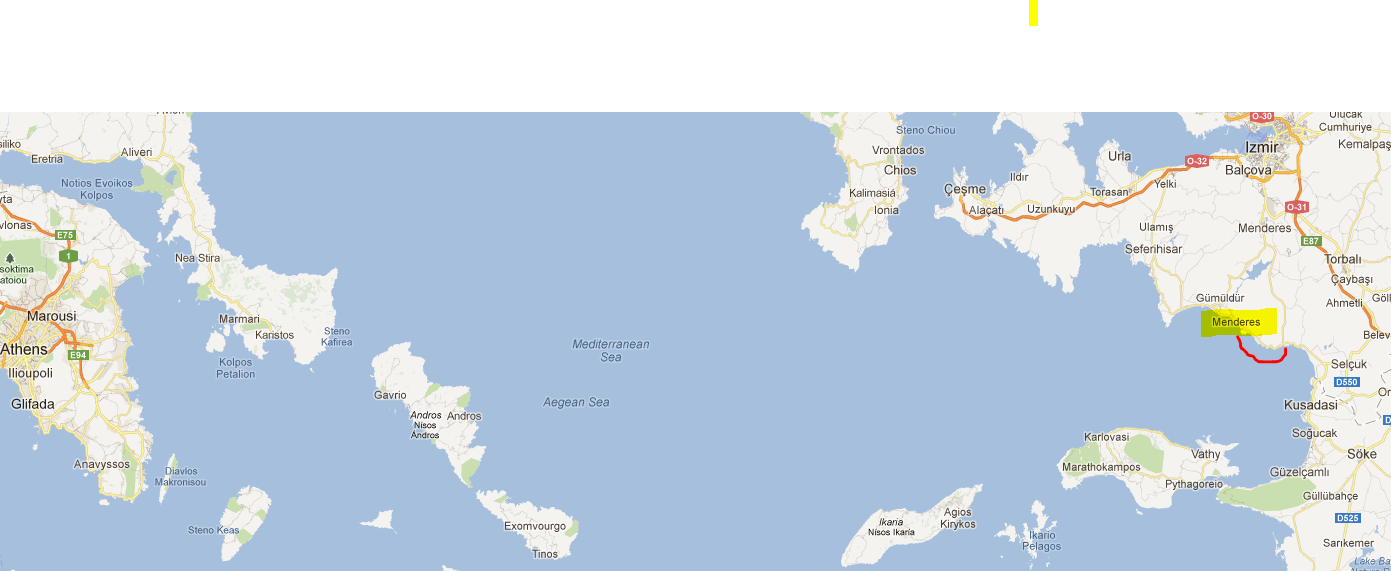
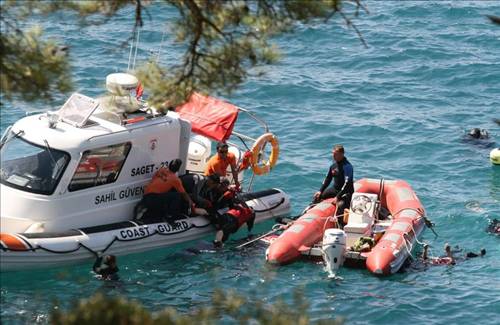
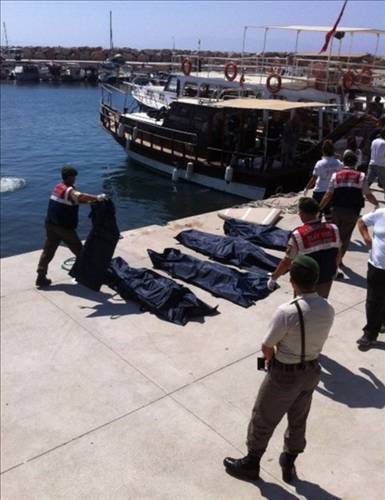
Tineke Strik (Netherlands, SOC), rapporteur of the Parliamentary Assembly of the Council of Europe (PACE) on “Lives lost in the Mediterranean Sea: who is responsible?”, issued a statement on Friday in response to the deaths of 61 persons from Syria and other countries (including 31 children) off the Turkish coast and the ongoing migrant boats departing from North Africa:

“In the case of the boat off Turkey, many of those on board are thought to have come from Syria where a humanitarian crisis is in full swing. Asylum seekers from the conflict there are heading not only to neighbouring states but also to the rest of Europe[.]  This is an urgent warning that Europe must give much greater priority to the humanitarian situation evolving in Syria, and find new means to tackle the migration flows between Turkey and Greece – for Turkey’s sake, for Greece’s stake, for Europe’s stake, and for the sake of all those who have lost their lives and who will continue to lose their lives crossing between the two countries. European countries should also be prepared to take their share in the protection of Syrian refugees, as neighbouring countries Jordan and Turkey are facing growing problems in coping with such large numbers. We know that a failure to react adequately to the humanitarian consequences of the Libya conflict caused unnecessary deaths. Let us not repeat those mistakes with the conflict in Syria.”

Human Rights Watch also issued a statement:  “The deaths of so many children should be a wake-up call to EU leaders[.]  Europe can and should do more to limit tragedies like these in the future…. Both Frontex, the EU external borders agency, and a proposed new European External Border Surveillance System (EUROSUR) include rescue at sea in their mandates, but lack specific guidelines and procedures to ensure that rescue is the paramount consideration in EU operations at sea. Preventing deaths at sea needs to be at the heart of a coordinated European-wide approach to boat migration…. The EU should also coordinate with Turkish authorities to ensure that there are no gaps in rescue coverage. … Europe squabbled and dragged its feet last year when tens of thousands came by sea to escape chaos and conflict in North Africa…. It needs to live up to European values this time around, and do its utmost to ensure that those fleeing Syria reach safety.”  Human Rights Watch released a briefing paper in August regarding ongoing migrant deaths in the Mediterranean.

Click here for full Statement by Tineke Strik.

Click here for full HRW Statement.

1 Comment

Filed under Aegean Sea, Council of Europe, Frontex, Greece, Italy, Libya, Mediterranean, Statements, Syria, Turkey

Question Raised Whether Migrant Boat Sank Off Lampedusa Last Week

Italian authorities are questioning survivor reports that the boat on which they were sailing from Tunisia actually sank or capsized near Lampedusa on 7 September.  Authorities have raised the possibility that the survivors were intentionally landed on the small island of Lampione, approximately 20 km west of Lampedusa, by a trafficker’s “mother ship” and that the traffickers then returned to Tunisia.  Some of the 56 survivors who were rescued from Lampione reported that their boat sank and they were forced to swim to the island, but Italian authorities have not yet found sufficient debris, bodies, or other evidence that would indicate that their boat sank.  While two bodies have been recovered recently, the locations of the recovered bodies are not consistent with the location where the migrant boat is reported to have sunk.  Authorities think the two bodies may be from different incidents that may have taken place recently.

Click here, here, here, and here for articles. (IT)

Leave a comment

Filed under Italy, Mediterranean, News, Tunisia

High Death Toll in Turkish Migrant Boat Sinking Likely Caused by Persons Trapped Below Deck

Last week’s sinking of a migrant boat off the Turkish coast took place about 50 metres from shore.  The high death toll of 61 persons, including 31 children and infants, seems to have occurred in part because many of the boat’s passengers were either trapped or locked below the main deck of the boat.  Some media reports describe the boat, the “Sailor”, as a small fishing boat, but pictures of the accident scene suggest that the boat was probably a pleasure boat.  The boat struck underwater rocks causing it to sink on 6 September.  The boat reportedly departed from Ahmetbeyli and had traveled approximately 25 km along the coastline when it sank near the village of Menderes.  The migrants on board included Syrians, Iraqis, and others.  At least 49 survivors were able to swim ashore.  The boat’s Turkish captain and at least one crew member have been arrested and charged with human smuggling and reckless homicide.  The crew reportedly made no efforts to assist the passengers as the boat was sinking.

Click here, here, here, here, and here for articles.


1 Comment

Filed under Aegean Sea, Greece, News, Syria, Turkey

Frontex to Increase Sea and Air Patrols in Aegean at Greece’s Request

Greek news reports say that Greek officials have made requests to Commissioner Malmström and Frontex for assistance to respond to “increasing migratory pressures on the islands of the Eastern Aegean.”  The Greek islands of Lesvos, Samos, Patmos, Leros and Symi in particular have reportedly seen an increase in the number of persons entering from nearby Turkish territory.  According to the media reports the assistance will include the deployment of “four aerial vehicle[s], four patrol boats, three mobile surveillance units and eight expert officers, whose costs will be covered by EU funds the agency and the European Commission.”

Click here and here for articles. (EL)

1 Comment

Filed under Aegean Sea, European Union, Frontex, Greece, Mediterranean, News, Turkey

HRW Briefing Paper: Hidden Emergency-Migrant deaths in the Mediterranean

Human Rights Watch released a briefing paper on 16 August entitled “Hidden Emergency-Migrant deaths in the Mediterranean.”  The briefing paper, written by Judith Sunderland, a senior researcher with HRW, reviews recent events in the Mediterranean, provides updates on new developments, including the EUROSUR proposal and IMO guidelines that are under consideration, and makes recommendations for how deaths can be minimized.

Excerpts from the Briefing Paper:

“The death toll during the first six months of 2012 has reached at least 170. … Unless more is done, it is certain that more will die.

Europe has a responsibility to make sure that preventing deaths at sea is at the heart of a coordinated European-wide approach to boat migration, not a self-serving afterthought to policies focused on preventing arrivals or another maneuver by northern member states to shift the burden to southern member states like Italy and Malta.

With admirable candor, EU Commissioner Cecilia Malmström said recently that Europe had, in its reaction to the Arab Spring, ‘missed the opportunity to show the EU is ready to defend, to stand up, and to help.’ Immediate, concerted efforts to prevent deaths at sea must be part of rectifying what Malmström called Europe’s ‘historic mistake.’

Europe’s Response to Boat Migration

[***]

European countries most affected by boat migration—Italy, Malta, Greece and Spain—have saved many lives through rescue operations. But those governments and the European Union as a whole have focused far more effort on seeking to prevent boat migration, including in ways that violate rights. Cooperation agreements with countries of departure for joint maritime patrols, technical and financial assistance for border and immigration control, and expedited readmission of those who manage to set foot on European soil have become commonplace.

The EU’s border agency Frontex has become increasingly active through joint maritime operations, some of which have involved coordination with countries of departure outside the EU such as Senegal. Even though in September 2011 the EU gave Frontex an explicit duty to respect human rights in its operations and a role in supporting rescue at sea operations, these operations have as a primary objective to prevent boats from landing on EU member state territories. This has also prevented migrants, including asylum seekers, from availing themselves of procedural rights that apply within EU territory.

[***]

Italy had suspended its cooperation agreements with Libya in February 2011, and has indicated it will respect the European Court’s ruling and will no longer engage in push-backs. However, past experience suggests that an immigration cooperation agreement signed with the Libyan authorities in April 2012, the exact contents of which have neither been made public nor submitted to parliamentary scrutiny, is unlikely to give migrants’ human rights the attention and focus they need if those rights are to be properly protected.

[***]

Preventing Deaths in the Mediterranean

It may be tempting to blame lives lost at sea on unscrupulous smugglers, the weather, or simple, cruel fate. However, many deaths can and should be prevented. UNHCR’s recommendation during the Arab Spring to presume that all overcrowded migrant boats in the Mediterranean need rescue is a good place to start.

[***]

Recognizing the serious dimensions of the problem, specialized United Nations agencies such as the UNHCR and the International Maritime Organization (IMO), have been working to produce clear recommendations. These include establishing a model framework for cooperation in rescue at sea and standard operating procedures for shipmasters. The latter should include a definition of distress triggering the obligation to provide assistance that takes into account risk factors, such as overcrowding, poor conditions on board, and lack of necessary equipment or expertise. UNHCR has also proposed that countries with refugee resettlement programs set aside a quota for recognized refugees rescued at sea.

The IMO has also been pursuing since 2010 a regional agreement among Mediterranean European countries to improve rescue and disembarkation coordination, as well as burden-sharing. The project, if implemented successfully, would serve as a model for other regions. A draft text for a memorandum of understanding is under discussion. Negotiations should be fast-tracked with a view to implementation as quickly as possible.

If Europe is serious about saving lives at sea, it also needs to amend the draft legislation creating EUROSUR. This new coordinated surveillance system should spell out clearly the paramount duty to assist boat migrants at sea, and its implementation must be subject to rigorous and impartial monitoring. Arguments that such a focus would create a ‘pull factor’ and encourage more migrants to risk the crossing are spurious. History shows that people on the move, whether for economic or political reasons, are rarely deterred or encouraged by external factors.

[***]”

From the HRW press statement:

The “briefing paper includes concrete recommendations to improve rescue operations and save lives:

  • Improve search and rescue coordination mechanisms among EU member states;
  • Ensure that EUROSUR has clear guidelines on the paramount duty of rescue at sea and that its implementation is rigorously monitored;
  • Clarify what constitutes a distress situation, to create a presumption in favor of rescue for overcrowded and ill-equipped boats;
  • Resolve disputes about disembarkation points;
  • Remove disincentives for commercial and private vessels to conduct rescues; and
  • Increase burden-sharing among EU member states.”

Click here or here for HRW Briefing Paper.

Click here for HRW press statement.

3 Comments

Filed under European Union, Frontex, Italy, Libya, Malta, Mediterranean, Reports, Spain, Tunisia