Tag Archives: Turkey

PACE Rapporteur Strik and HRW Respond to Recent Migrant Boat Tragedies

Tineke Strik (Netherlands, SOC), rapporteur of the Parliamentary Assembly of the Council of Europe (PACE) on “Lives lost in the Mediterranean Sea: who is responsible?”, issued a statement on Friday in response to the deaths of 61 persons from Syria and other countries (including 31 children) off the Turkish coast and the ongoing migrant boats departing from North Africa:

“In the case of the boat off Turkey, many of those on board are thought to have come from Syria where a humanitarian crisis is in full swing. Asylum seekers from the conflict there are heading not only to neighbouring states but also to the rest of Europe[.]  This is an urgent warning that Europe must give much greater priority to the humanitarian situation evolving in Syria, and find new means to tackle the migration flows between Turkey and Greece – for Turkey’s sake, for Greece’s stake, for Europe’s stake, and for the sake of all those who have lost their lives and who will continue to lose their lives crossing between the two countries. European countries should also be prepared to take their share in the protection of Syrian refugees, as neighbouring countries Jordan and Turkey are facing growing problems in coping with such large numbers. We know that a failure to react adequately to the humanitarian consequences of the Libya conflict caused unnecessary deaths. Let us not repeat those mistakes with the conflict in Syria.”

Human Rights Watch also issued a statement:  “The deaths of so many children should be a wake-up call to EU leaders[.]  Europe can and should do more to limit tragedies like these in the future…. Both Frontex, the EU external borders agency, and a proposed new European External Border Surveillance System (EUROSUR) include rescue at sea in their mandates, but lack specific guidelines and procedures to ensure that rescue is the paramount consideration in EU operations at sea. Preventing deaths at sea needs to be at the heart of a coordinated European-wide approach to boat migration…. The EU should also coordinate with Turkish authorities to ensure that there are no gaps in rescue coverage. … Europe squabbled and dragged its feet last year when tens of thousands came by sea to escape chaos and conflict in North Africa…. It needs to live up to European values this time around, and do its utmost to ensure that those fleeing Syria reach safety.”  Human Rights Watch released a briefing paper in August regarding ongoing migrant deaths in the Mediterranean.

Click here for full Statement by Tineke Strik.

Click here for full HRW Statement.

1 Comment

Filed under Aegean Sea, Council of Europe, Frontex, Greece, Italy, Libya, Mediterranean, Statements, Syria, Turkey

High Death Toll in Turkish Migrant Boat Sinking Likely Caused by Persons Trapped Below Deck

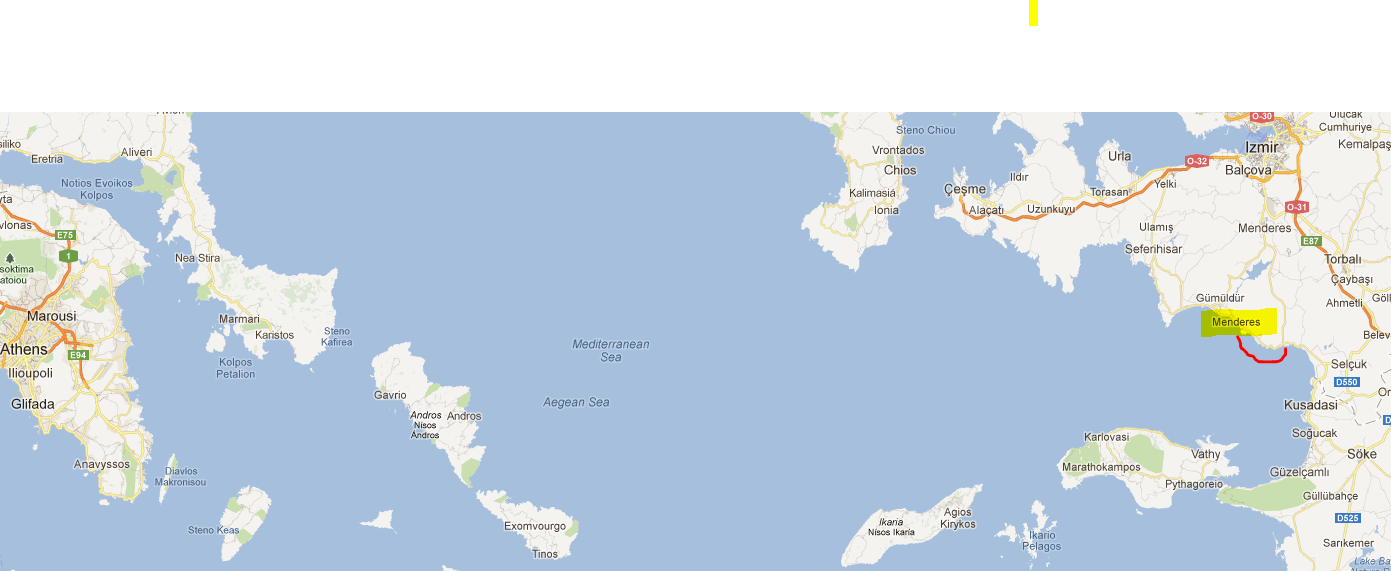
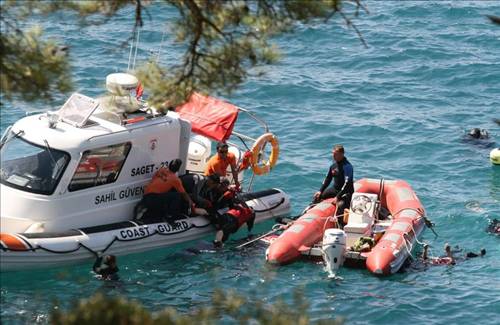
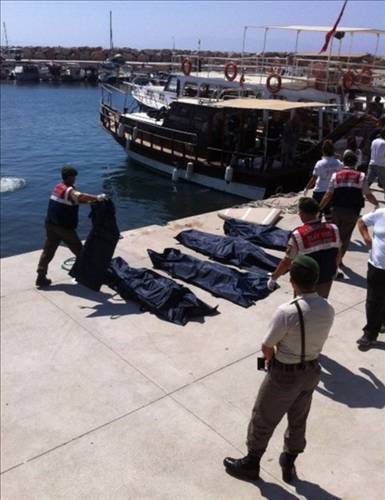
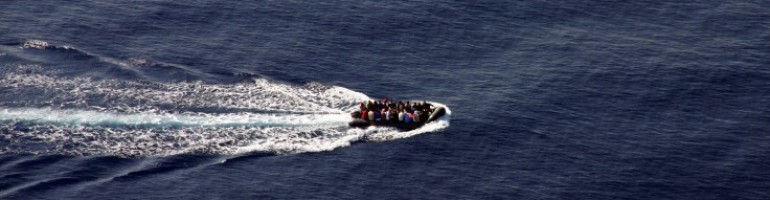
Last week’s sinking of a migrant boat off the Turkish coast took place about 50 metres from shore.  The high death toll of 61 persons, including 31 children and infants, seems to have occurred in part because many of the boat’s passengers were either trapped or locked below the main deck of the boat.  Some media reports describe the boat, the “Sailor”, as a small fishing boat, but pictures of the accident scene suggest that the boat was probably a pleasure boat.  The boat struck underwater rocks causing it to sink on 6 September.  The boat reportedly departed from Ahmetbeyli and had traveled approximately 25 km along the coastline when it sank near the village of Menderes.  The migrants on board included Syrians, Iraqis, and others.  At least 49 survivors were able to swim ashore.  The boat’s Turkish captain and at least one crew member have been arrested and charged with human smuggling and reckless homicide.  The crew reportedly made no efforts to assist the passengers as the boat was sinking.

Click here, here, here, here, and here for articles.


1 Comment

Filed under Aegean Sea, Greece, News, Syria, Turkey

Frontex to Increase Sea and Air Patrols in Aegean at Greece’s Request

Greek news reports say that Greek officials have made requests to Commissioner Malmström and Frontex for assistance to respond to “increasing migratory pressures on the islands of the Eastern Aegean.”  The Greek islands of Lesvos, Samos, Patmos, Leros and Symi in particular have reportedly seen an increase in the number of persons entering from nearby Turkish territory.  According to the media reports the assistance will include the deployment of “four aerial vehicle[s], four patrol boats, three mobile surveillance units and eight expert officers, whose costs will be covered by EU funds the agency and the European Commission.”

Click here and here for articles. (EL)

1 Comment

Filed under Aegean Sea, European Union, Frontex, Greece, Mediterranean, News, Turkey

Cyprus Reportedly Preparing for Possible Influx of Syrian Boat Refugees

The EU Observer reported two weeks ago that Cyprus “is worried that Syrian refugees could arrive en masse in the island-nation and in the EU more broadly if the conflict gets worse [and that Cyprus] is drawing up plans in case Syrian boat refugees arrive on its coast, a Cypriot source told this website.”  What these plans may consist of is not clear, but during a recent visit to Malta, Cypriot President Demetris Christofias said that Cyprus and Malta shared “’common worries and interests’ over irregular migration … ‘We’re not racists but we must defend the rights of our countries’.”

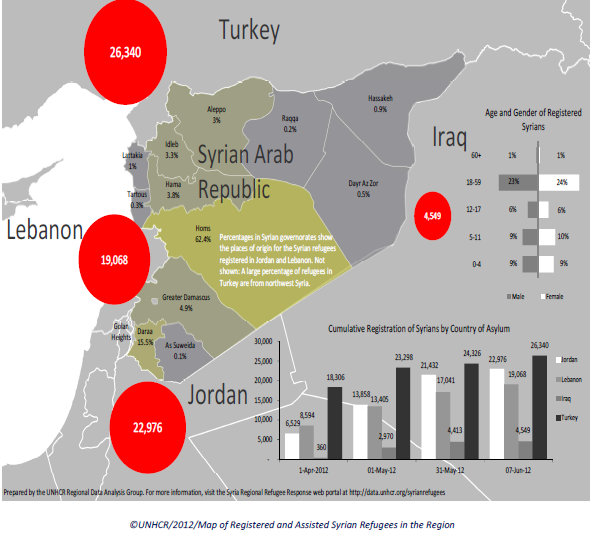
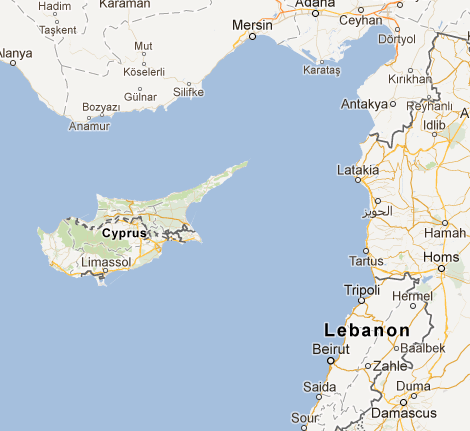
While it is conceivable that Syrian refugee boats could head for Cyprus if the number of people forced to flee Syria continues to rise, but, as was the case with Libya, most will likely continue to flee across land borders to neighbouring countries and will not take to the sea.  The UNHCR estimates that as of early this month, over 81,000 people have fled to Jordan, Lebanon, Turkey and Iraq and that there are approximately 400,000 internally displaced persons within Syria.  To the extent that some may flee Syria by sea, the portion of the island of Cyprus closet to Syria is the northeastern area which is controlled by Turkey.

Cyprus assumes the EU presidency on 1 July.

Click here and here for articles.

Click here for UNHCR Syria Regional Refugee Response Information Sharing Portal.


1 Comment

Filed under Cyprus, European Union, Mediterranean, News, Syria, Turkey

EU Will Not Fund Construction of Evros (Greece-Turkey) Border Fence

Of possible interest to some, Ekathimerni.com reports that the EU has made it clear it will not provide funding to the Greek government for the construction of a border fence along the Greek-Turkish border along the Evros river.  Greece has been planning the construction of the border fence for many months and was seeking €5 million from the EU.  Early proposals called for the construction of a fence over 200 km in length.  The fence that is now being built will be 12 km in length when completed.  “Responding to a question by Euro MP Giorgos Papanikolaou, who is affiliated with conservative New Democracy, European Commissioner for Home Affairs Cecilia [Malmström] said the bloc would not pay for the fence as it would not effectively discourage immigrants or smugglers who would simply seek alternative routes into the European Union, either via another section of Greece’s porous border with Turkey or through the border of another EU member state. [Malmström] reportedly said that the EU would be prepared to fund other measures if they are deemed to be an effective way of curbing illegal immigration into the bloc.”

Click here for current article.

Click here for older article.

Leave a comment

Filed under European Union, Frontex, Greece, News, Turkey

HRW Report: Frontex Exposes Migrants to Abusive Conditions in Greece

Human Rights Watch yesterday issued a report entitled “The EU’s Dirty Hands: Frontex Involvement in Ill-Treatment of Migrant Detainees in Greece” which “assesses Frontex’s role in and responsibility for exposing migrants to inhuman and degrading detention conditions during four months beginning late in 2010 when its first rapid border intervention team (RABIT) was apprehending migrants and taking them to police stations and migrant detention centers in Greece’s Evros region. … ‘Frontex has become a partner in exposing migrants to treatment that it knows is absolutely prohibited under human rights law,’ said Bill Frelick, Refugee Program director at Human Rights Watch. ‘To end this complicity in inhuman treatment, the EU needs to tighten the rules for Frontex operations and make sure that Frontex is held to account if it breaks the rules in Greece or anywhere else.’ … ‘It’s a disturbing contradiction that at the same time that the European Court of Human Rights was categorically ruling that sending migrants to detention in Greece violated their fundamental rights, Frontex, an EU executive agency, and border guards from EU states were knowingly sending them there,’ Frelick said. … ‘As new migration crises emerge in the Mediterranean basin and as Frontex’s responsibilities expand, there is an urgent need to shift EU asylum and migration policy from enforcement-first to protection-first.’ Frelick said. ‘This is not only legally required, but the EU, its agencies, and member states can and should respect and meet the EU’s own standards.’”

As the HRW report notes, the humanitarian crisis on the Greece-Turkey land border was many years in the making, but among the contributing factors to the increased flow of migrants seeking to enter the EU at this location, which by November 2010 accounted for 90% of the detected illegal crossings at EU borders, were the enhanced migration control measures in the Central Mediterranean and West Africa, specifically the bi-lateral push-back practice being implemented at the time by Italy and Libya and Spain’s bi-lateral agreements with West African countries.  Increased sea patrols along Greece’s maritime borders also contributed to the shifting of the flow to the land border.

Frontex issued a statement (or click here) responding to the HRW report in which it welcomed the report and said it was “satisfied to note that its comments on the original draft were taken on board. The report now highlights an issue, which we agree, is of great importance. We would like to recall that Frontex fully respects and strives for promoting Fundamental Rights in its border control operations which, however, do not include organisation of, and responsibility for, detention on the territory of the Member States, which remains their exclusive remit. … Frontex was receiving signals of concern from national officers deployed to the region. The Agency has been extremely concerned with the conditions at the detention centres – a point which we raised on several occasions both with the Greek authorities and with the European Commission. Nevertheless, we continue to stress that at the practical level abandoning emergency support operations such as RABIT 2011 is neither responsible, nor does it do anything to help the situation of irregular migrants on the ground….”

Here is Cecilia Malmström’s comment from her blog on the HRW report (translated from Swedish by Google translate):

“I also had a long meeting [on 21 September] with Human Rights Watch who has published a highly critical report on the asylum system in Greece . They argue that the EU agency Frontex, by its presence legitimizes the poor conditions at the border of Greece. We are well aware of the totally unacceptable situation at the reception centres in Greece and I am very frustrated that the situation is so slow to improve, especially in Evros. But probably the situation would have been even worse if Frontex had not been in place. We continue to put pressure on Greece and the new regulatory framework for Frontex, which I have proposed and was adopted by Parliament last week to strengthen its work on human rights significantly. The report will also be discussed in the FRONTEX Agency board meeting next week.”   (“Jag hade också ett långt möte med Human Rights Watch som har publicerat en mycket kritisk rapport om asylsystemet i Grekland . De menar att EU-organet Frontex genom sin närvaro legitimerar de usla förhållandena vid gränsen i Grekland. Vi är väl medvetna om den helt oacceptabla situationen vid mottagningscentren i Grekland och jag är väldigt frustrerad över att det går så långsamt att förbättra situationen särskilt i Evros. Men troligen hade situationen varit ännu värre om inte Frontex hade varit på plats. Vi fortsätter att sätta press på Grekland och i det nya regelverk för Frontex som jag har föreslagit och som Europaparlamentet antog förra veckan stärks arbetet med mänskliga rättigheter väsentligt. Rapporten skall också diskuteras på Frontex styrelsemöte nästa vecka.”)

Excerpts from the HRW Report:

Key Recommendations

To the European Commission, the European Parliament and the European Council

  • Amend the Frontex Regulation to make explicit, and thereby reinforce, the obligation not to expose migrants and asylum seekers to inhuman and degrading detention conditions.
  • Amend proposed Frontex Regulation Art. 26a to empower the Fundamental Rights Officer to refer Frontex to the Commission for investigation and where appropriate infringement proceedings in the event that the Frontex executive director fails to suspend operations despite persistent and serious violations of the Charter and/or in the event that members states and their agents persistently violate the Charter during Frontex operations.

To Participating European States 

  • Suspend any participation in Frontex operations that fail to adhere to binding international human rights standards.
  • Instruct border guards deployed on Frontex missions on their obligations under international law. Ensure that border guards are trained and conversant regarding all rules and standards pertaining to the transfer and treatment of detainees.

To the Frontex Management Board

  • Suspend the deployment of EU border guards to Greece unless migrant detainees can be transferred to facilities elsewhere in Greece (or outside of Greece) that meet EU and international standards or until the conditions of detention in the Evros region where migrants are currently detained are improved and no longer violate European and international standards.
  • Intervene with Greek officials and monitor compliance to ensure that migrants apprehended by guest guards are transferred to detention facilities that comply with European and international standards.
  • Conduct thorough assessments of the risk that human rights violations may occur before engaging in joint operations or deploying RABIT forces.

To Greece

  • Implement the recently adopted asylum reform package as fully and as quickly as possible.
  • Ensure access to asylum procedures at the border and in the border region.
  • Reduce overcrowding by using alternative facilities and alternatives to detention as much as possible.
  • Immediately improve detention conditions, and immediately create open reception centers for asylum seekers and members of vulnerable groups, such as children.”

Click here for HRW Report.

Click here for HRW Press Release.

Click here or here for Frontex response.

Click here (EN) and here (EN) and here (FR) for articles.

Leave a comment

Filed under Aegean Sea, European Union, Frontex, Greece, News, Reports, Turkey

Interview with Frontex Spokesperson Michal Parzyszek

Frontex spokesperson Michal Parzyszek was interviewed by the Sofia News Agency on 27 May.  Here are some excerpts:

Current Frontex sea operations: “Operation Hera, which is in the territorial waters of Senegal and Mauritania; Operation Indalo in Spanish waters; Operation Hermes in Italian waters; Operation Aeneas in Italian waters; Operation Poseidon in Greek waters.”

Frontex operations in Italy: “The help on part of Frontex in the southern waters, including in Italy, is more on providing risk analysis – to give a better idea of what is going on, and what can happen.  …  So in terms of [Frontez] assets, there are just two airplanes and two boats which are deployed there under Frontex in the waters south of Sardinia and south of Lampedusa.  …  There are 10-15 Frontex experts that are identifying the migrants once they reach the reception facilities there. They are deployed to Caltanissetta, Catania, Trapani, Crotone, and Bari….”

Arrivals to Lampedusa:  “It varies every day. You have days when you have no arrivals, and then suddenly you have 1 000 people arriving to Lampedusa. Since the start of the operation on February 20, 2011, there have been almost 31 000 people that arrived to Lampedusa.”

Irregular migrants prefer entering Greece rather than Bulgaria: “… In the case of Greece, a readmission agreement with Turkey doesn’t truly work; in the case of Bulgaria, the cooperation with Turkey is much better so the Turkish authorities – if they receive proper documentation and justification – they accept people back.  This is a very important element – potential migrants know that if they cross the border between Turkey and Bulgaria, there is high probability that they will be sent back to Turkey so they don’t choose that way….”

(HT to Euro-Police.)

Click here for full interview.

Leave a comment

Filed under Aegean Sea, Black Sea, Bulgaria, Eastern Atlantic, European Union, Frontex, Greece, Italy, Libya, Mauritania, Mediterranean, News, Senegal, Spain, Tunisia, Turkey

Europol 2011 Organised Crime Threat Assessment – Illegal Immigration and THB

Europol just issued its 2011 Organised Crime Threat Assessment (OCTA) (OCTA_2011-1).  The report contains Europol’s assessments regarding “current and expected trends in organised crime affecting the European Union.”  Among the topics discussed are the facilitation of illegal immigration and trafficking in human beings.

The report notes that the increased control of the external borders of the EU, combined with other immigration controls, has resulted in irregular migrants turning to organised crime groups to facilitate their entry to the EU.  The report notes that increased enforcement activities which successfully reduce illegal immigration in certain areas may result in substantial increases in illegal immigration in other areas.

The report indicates that organised criminal groups are exploiting and will continue to exploit the social and political unrest in North Africa and that organised crime groups are responsible for facilitating the movement of the thousands of Tunisians who have entered Italy.

The report notes that the accession of Bulgaria and Romania to the Schengen zone “may yield increased illicit traffic through these countries and the possible displacement of illegal immigration flows from the Turkish-Greek border.”

Excerpts from the 38 page report pertaining to the facilitation of illegal immigration:

“[I]ncreasing control of external borders, the introduction of higher quality travel documents and other protective measures implemented by destination countries are making illegal immigration more difficult for individual migrants, forcing them to seek the services of organised crime groups.

International agreements and coordinated law enforcement activities have a significant impact on the flows of illegal immigrants along established routes. In 2010, a sharp reduction in the use of sea routes was accompanied by a substantial increase in illegal overland entries, overwhelmingly concentrated on the Turkish-Greek border.

Besides being the natural gateway for immigrants from the Middle East and Asia, Turkey is now the final step towards the EU for migrants with many other origins, including North and West Africans. Its geographical position, the presence of historical smuggling routes and the comparative ease with which entry visas may be obtained have transformed Turkey into the main nexus point for illegal immigrants on their way to Europe.

[***]

Legislation aimed at safeguarding certain inalienable individual or social rights is manipulated by organised crime groups with specialist expertise. Political asylum requests, and family reunions following marriages of convenience with EU citizens, are among the most frequently abused procedures. In addition, a prevalent tactic is to exploit loopholes and the lack of harmonisation in current legislation.

[***]

Criminal Groups

Organised crime groups involved in the facilitation of illegal immigrants tend to be structured in loose networks of smaller groups with ethnic or other cultural connections to customers. By the same token, illegal immigrants tend to be recruited by, or approach facilitators from, the same ethnic background. However, few criminal groups have the capacity to manage all stages from source to destination country. The further migrants get from their country of origin, the greater the chance that their facilitators will be of an ethnic origin different from their own. Along the route, small local criminal groups receive and house transiting illegal immigrants, facilitating their passage to the next stage. In the often extended time between stages, transiting migrants are frequently exploited in illicit labour, thus marking a point of contact between illegal immigration and trafficking in human beings (THB).

Organised crime groups in destination countries play a fundamental role in the smuggling of migrants. Criminals, often legitimately resident in the EU, facilitate the last step of the migrants’ journey, in some cases collecting final instalments of transportation fees, and are in an ideal position to profit from newly arrived migrants, sometimes employing forms of exploitation typical of THB.

The most widely reported organised crime groups involved in the facilitation of illegal immigration are of Chinese, Turkish, Albanian, Indian, Iraqi, and Russian origin. Chinese, Vietnamese, Indian, Pakistani, and some West African groups are among the most capable, managing all successive phases of illegal immigration from source to destination countries. Although these groups may sub-contract part of the transportation or the production of falsified documents, they maintain effective control over the illegal immigrants throughout.

The growing importance of Turkey as a nexus point for migrants is likely to be further exploited by Turkish organised crime groups already extremely skilled in managing routes for illicit commodities and will make the most of their resources and contacts in the EU to maximise profits from this lucrative criminal market….

[***]

Criminal hubs

Political and legislative initiatives impact on regional dynamics, resulting in frequent shifts between hubs and preferred nexus points outside the EU.

Migrant flows across the Mediterranean Sea and illicit entries at the Eastern land borders have both significantly decreased. Greece is now the focus for illegal entry to the EU, and while levels of illegal migration connected with seasonal work patterns between Albania and Greece have decreased in the last year, illicit entries of migrants from Turkey have increased by over 500 per cent between 2009 and 2010

The South East criminal hub is therefore under the heaviest pressure. As a result also of its proximity to the Western Balkans, the hub’s centre of gravity for this criminal problem is currently Greece.

[***]

The Southern criminal hub is a landing zone for many immigrants who have entered the EU through Greece, and who either remain in Italy or proceed to other MS. Illegal immigrants are often exploited or employed by organised crime groups active in the hub.

Emerging and Future Issues

The social and political unrest pervading North Africa since January 2011 is likely to have a significant impact on the internal security of Southern Europe. By exploiting the present political vacuum and the diminution of police capability to maintain public order and combat criminal activity, organised crime groups are facilitating several thousands of illegal immigrants, mainly of Tunisian origin, in their attempt to cross the Mediterranean and reach Europe. This carries an inherent risk to the internal security of the EU.

The large and growing number of illegal immigrants from countries and regions in which Islamist terrorist groups are active – such as Chechnya, Afghanistan, Iraq, Pakistan and Somalia – raises the possibility that channels for illegal immigration will be used increasingly by those seeking to engage in terrorist activity in the EU.

In the absence of any significant harmonisation of standards with regards to visa issue for a variety of purposes (including settlement for marriage and family reunions) a further increase in the abuse of legitimate migration procedures is likely.

The possible accession of Romania and Bulgaria to the Schengen Zone will greatly widen the Eastern green and blue borders. This has the potential to release the pressure on the Turkish-Greek border, and lead to increased targeting of Bulgaria and the Black Sea coast by illegal immigrants and their facilitators.

Turkish organised crime groups, currently in a dominant position at the biggest nexus point for migrants, will exploit further opportunities for delivering illegal immigrants to the EU by means of the Black Sea and the flourishing Turkish diaspora in Bulgaria….

[***]

… The role of the Western Balkans as a logistical hub will be sustained and may even grow further, while the proposed accession of Bulgaria and Romania to the Schengen zone may yield increased illicit traffic through these countries and the possible displacement of illegal immigration flows from the Turkish-Greek border. In this event, Member States in South East Europe may require additional operational support. In light of the continued prominence throughout the EU of Albanian speaking criminal groups, strategic and operational partnerships with authorities in the Western Balkans will be increasingly important.

Ongoing political instability in countries close to the borders of the EU and transit areas for illicit commodities has the potential to alter trafficking routes and create new illegal migration flows. In countries such as Tunisia and Egypt the process by which serving regimes are replaced may result in power and investment vacuums in both the public and private sectors. Some of these could be filled by those with sufficient resources to exploit the instability for criminal ends, including EU organised crime groups. In politically fragile environments organised crime can also prosper by providing essential services such as transport infrastructure, and food and fuel supply. The effects of illegal immigration as a result of instability in North Africa – already experienced by Italy – are likely to spread if levels of unrest persist or increase. Should living conditions deteriorate in the longer term, the EU is likely to see an increase also in victims of THB from this region….

[***]”

Click on this link OCTA_2011-1 for OCTA report.

Click here for Europol press release.
Leave a comment

Filed under Aegean Sea, Analysis, Black Sea, Eastern Atlantic, European Union, Mediterranean, News, Reports

Turkey Considers Use of “Safe Havens” Within Syrian Territory If Faced With Massive Influx of Asylum Seekers

Turkey is reportedly preparing contingency plans for a possible worsening of conditions within Syria and an influx of Syrian refugees.  According to the Hurriyet Daily News, Turkey wants to avoid a repeat of the situation it faced when hundreds of thousands of Iraqis fled Iraq for Turkey in the 1990s.  250 Syrians crossed into Turkey last Friday and are seeking asylum.

“Turkey is considering establishing safe havens on the Syrian side of the border to cope with a potential massive influx of refugees from the unrest-hit neighboring country, the Hürriyet Daily News & Economic Review has learned. … This plan envisions the establishment of some safe havens on the Syrian side of the border whose security and humanitarian needs would be provided by Turkey. This would keep Turkey from permanently hosting tens of thousands of people who could return to their homes after the tension in Syria is defused. … As a sovereign state, Syria would likely oppose the idea of forming such safe havens, which would be protected by Turkish troops, within its territory. ‘Unless the United Nations Security Council demands such interventions, this move could be interpreted as an attempt at occupation,’ an expert on international migration told the Daily News on Sunday….”

(HT to UNHCR @refugees)

Click here for full article.

Leave a comment

Filed under Statements, Turkey

Update from Today’s LIBE Committee’s Discussions re Central Mediterranean

The Hungarian Presidency and LIBE have released summaries regarding today’s LIBE Committee meeting.  Here are some points from the two summaries:

  • Commissioner Malmström emphasized that, so far, migrants had not started coming to Europe from Libya, but the EU had to prepare for this possibility;
  • Frontex Director Laitinen made it clear that the region should not be seen as a whole, but as separate countries with separate problems;
  • Laitinen underlined that from Tunisia only economic migration could be seen so far, but for the moment, as Tunisian authorities have regained control of the migration flow, this had stopped, as well. Since 26 February, no migrants had arrived to Lampedusa.
  • Laitinen also stressed that Italy was not the only entry point for migrants from North-Africa. Greece should not be forgotten in this context.  Low-cost flights from North-Africa to Istanbul were operating, bringing many migrants who then were trying to enter the Schengen area through the Greek-Turkish border;
  • Laitinen said that the possibility of extending Hermes to address Malta’s needs was being examined. More money and staff might be needed if the current emergency persists;
  • MEPs urged Member States to accelerate work on the “asylum package” and stressed the need for solidarity as regards relocating migrants;
  • Malmström said that most of the current migration from Tunisia to Lampedusa appears to be for economic reasons;
  • Malmström said that “Frontex and Member States may not push away people in need of international protection”;
  • MEP Simon Busuttil (EPP, MT) said the three main priorities in Libya are halting violence, sending humanitarian aid and planning for a possible immigration emergency. “What if a mass influx turns into Europe, is there a plan in the drawer to be pull out if this happens?” “Member States show no appetite for relocation.”

Click here and here for the two articles.

Leave a comment

Filed under European Union, Frontex, Greece, Hungary, Italy, Libya, Malta, Mediterranean, News, Tunisia, Turkey

More Assets Dedicated to Frontex Joint Operation “Hermes Extension”; More EU and NATO Naval Forces Present in Central Mediterranean

The assets dedicated to Joint Operation Hermes Extension continue to increase, although at present there are only two coastal patrol boats (Italian) participating in the Frontex  mission.  Ten surveillance aircraft will soon be deployed.  See the table with the list of resources below.

While the naval assets dedicated to JO Hermes Extension are minimal, there is a growing number of EU and NATO naval ships in the Central Mediterranean.  Nicolas Gros-Verheyde (writing on the Bruxelles2 blog (FR)) has counted 14 naval ships from EU states that are present in the waters near Libya; the ships consist of destroyers, frigates, electronic surveillance ships, and supply and support ships.   Additionally, Turkey has two naval ships in the area.

Some of the naval ships have already been used to evacuate European and other non-Libyan nationals from Libya.  What additional activity the EU ships may engage in remains to be seen.  They may become involved in military activities (presumably with UN authority (?)) and/or they may play a yet undetermined role should there be a sudden flow of migrants and asylum seekers from Libya.  If there is a sudden and significant migratory flow, the naval ships should function in a search and rescue manner, but there is always the possibility that if faced with large numbers of migrants, the navy vessels may be used to interdict, blockade, or otherwise to try to prevent migrants from leaving Libya.

Click here for link to Frontex update regarding deployed assets.

Click here and here for Bruxelles2 postings. (FR)

Table: Resources available to JO Hermes Extension 2011 as of February 25, 2011.

Italy (HMS) 2 Coastal Patrol Vessel, 1 aircraft, 5 experts, 2 cultural mediators
Austria 1 expert
Belgium 2 experts
Denmark 3-5 experts
France 10 experts, 1 aircraft
Germany 2 experts, 2 aircrafts
Hungary 2 experts
the Netherlands 1 aircraft, 2 experts
Portugal 7 experts, 1 aircraft
Romania 6 experts
Sweden 1 expert
Switzerland 2 experts
Spain 4 experts, 1 aircraft (at a later stage)

Leave a comment

Filed under Algeria, Data / Stats, European Union, Frontex, General, Italy, Libya, Malta, Mediterranean, News, Tunisia

JHA Council Meets 24-25 Feb – Meeting Topics Include North African Migrants, EASO, Greek Asylum Reform, EU-Turkey Readmission Agreement, and Frontex 2011 Work Programme

The two day JHA Council meeting begins today in Brussels.  According to the Background Note, “ministers will discuss the major influx of migrants from Northern Africa, particularly from Tunisia, to Southern EU member states, especially Italy. They will also look at the state of play on three other important internal border and migration issues:  the implementation of Greece’s National Action Plan on Migration Management and Asylum Reform; [and] the EU-Turkey readmission agreement. In this context, the Communication will present an evaluation and future strategy for EU readmission agreements;…  Ministers will then have exchange of views with the High Commissioner for Refugees (UNHCR) as well as with the Executive Director of the recently established European Asylum Support Office (EASO).”  Additionally, “FRONTEX will present to the committee its work programme for 2011.”

Click here for Background Note and here for Agenda.

Leave a comment

Filed under Aegean Sea, European Union, Frontex, Greece, Italy, Libya, Malta, Mediterranean, News, Tunisia, Turkey, UNHCR

COE Seminar: Human rights dimensions of migration in Europe (Istanbul, 17-18 Feb)

Thomas Hammarberg, COE Commissioner for Human Rights, and the Turkish Chairmanship of the Council of Europe Committee of Ministers are holding a migration and human rights seminar in Istanbul, 17-18 February.  From the Commissioner’s web site:  The seminar “aims to exchange views on the most important discrepancies between European migration laws and practices and human rights standards, as well as on optimal ways to provide assistance to states in reflecting on and revisiting their migration policies.”

Three general topics will be addressed: Human rights challenges of migration in Europe, Unaccompanied migrant children, and Smuggling of migrants.  Scheduled speakers and participants include:

  • Karim Atassi, UNHCR Deputy Representative to Turkey;
  • Tina Acketoft, PACE Committee on Migration, Refugees and Population;
  • Emily Logan, Irish Ombudsman for Children;
  • Rebecca O’Donnell, Save the Children, Brussels;
  • Elisabet Fura, ECtHR Judge;
  • Martin Fowke, Unit on Trafficking in Persons and Smuggling of Migrants, UNODC;
  • Richard Ares Baumgartner, Frontex Senior External Relations Officer ;
  • Professor Dr. Nuray Ekşi, Chair of Private International Law Department at the Law Faculty of ĺstanbul Kültür University;
  • Professor Theodora Kostakopoulou;

Click here for draft programme.

2 Comments

Filed under Aegean Sea, Colloques / Conferences, Commissioner for Human Rights, Committee of Ministers, Council of Europe, European Court of Human Rights, Frontex, Turkey, UNHCR, UNODC

COE CPT Completes Ad Hoc Mission to Greece

The Committee for the Prevention of Torture and Inhuman or Degrading Treatment or Punishment (CPT) released a statement yesterday that it had completed a one week (20-27 Jan.) ad hoc mission to Greece “to assess the concrete steps taken by the Greek authorities to implement long-standing recommendations, in particular those contained in the reports on the CPT’s visits of September 2005, February 2007, September 2008 and September 2009.   In the course of the visit, the CPT’s delegation examined the treatment and conditions of detention of migrants held in aliens detention centres and in police and border guard stations, particularly in the Attica and Evros regions….”  The CPT report to the Greek government is scheduled to be delivered in March 2011.

Among the detention centres visited by the CPT were several Border Guard stations in Evros and the “Filakio Special holding facility for illegal immigrants” where many of persons apprehended along the land border of Greece and Turkey are being detained in deplorable conditions.  Doctors Without Borders released a press statement last week describing the conditions at the Greek detention centres in Evros as unbearable, inhumane, and having reached an emergency situation.

Click here for CPT Press Release.

Click here for Doctors Without Borders Press Release.

1 Comment

Filed under Aegean Sea, Council of Europe, European Committee for the Prevention of Torture and Inhuman or Degrading Treatment or Punishment, Frontex, Greece, News, Turkey

Frontex 3rd Quarter Report

On 16 January the Frontex Risk Analysis Unit released its Report for the Third Quarter of 2010 (July-Sept.).  The report contains data, charts, and graphs detailing detections of migrants, asylum seekers, false document use, detections of facilitators, and other information.  The deployment of Frontex’s RABIT force to the Greek-Turkey border did not begin until 2 November 2010, so the effects of the RABIT deployment do not appear in the Third Quarter.

The Report notes that the “unprecedented peak in illegal border-crossings at the Greek land border with Turkey is the result of a shift from the sea to the land border” coupled with a “large increase in the absolute number of migrants” using Turkey as an EU entry point.  The Report states that there has been an eight-fold increase in the number Maghreb nationals detected at the Greek land border which “is thought to be the result of a displacement effect from the West Africa and Western Mediterranean routes.”

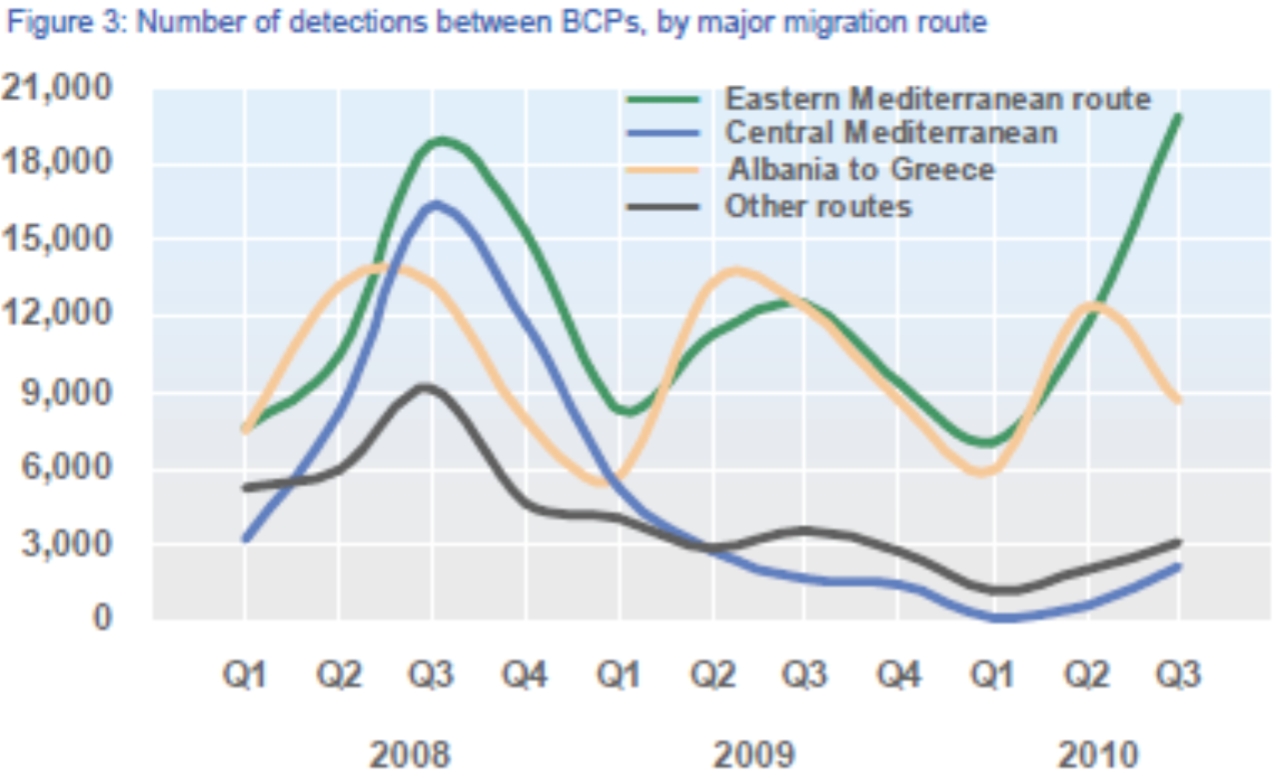
The Report also notes an increase in the number of detections on the Central and Western Mediterranean sea routes compared to Q2 which may be attributable to seasonal variations or “may be indicative of reorganized modi operandi in these areas in response to Frontex Joint Operations, more effective border controls and bilateral agreements implemented in 2008.”  See Figure 3 below.

Excerpts from the Report:

“Detections of illegal border-crossing”

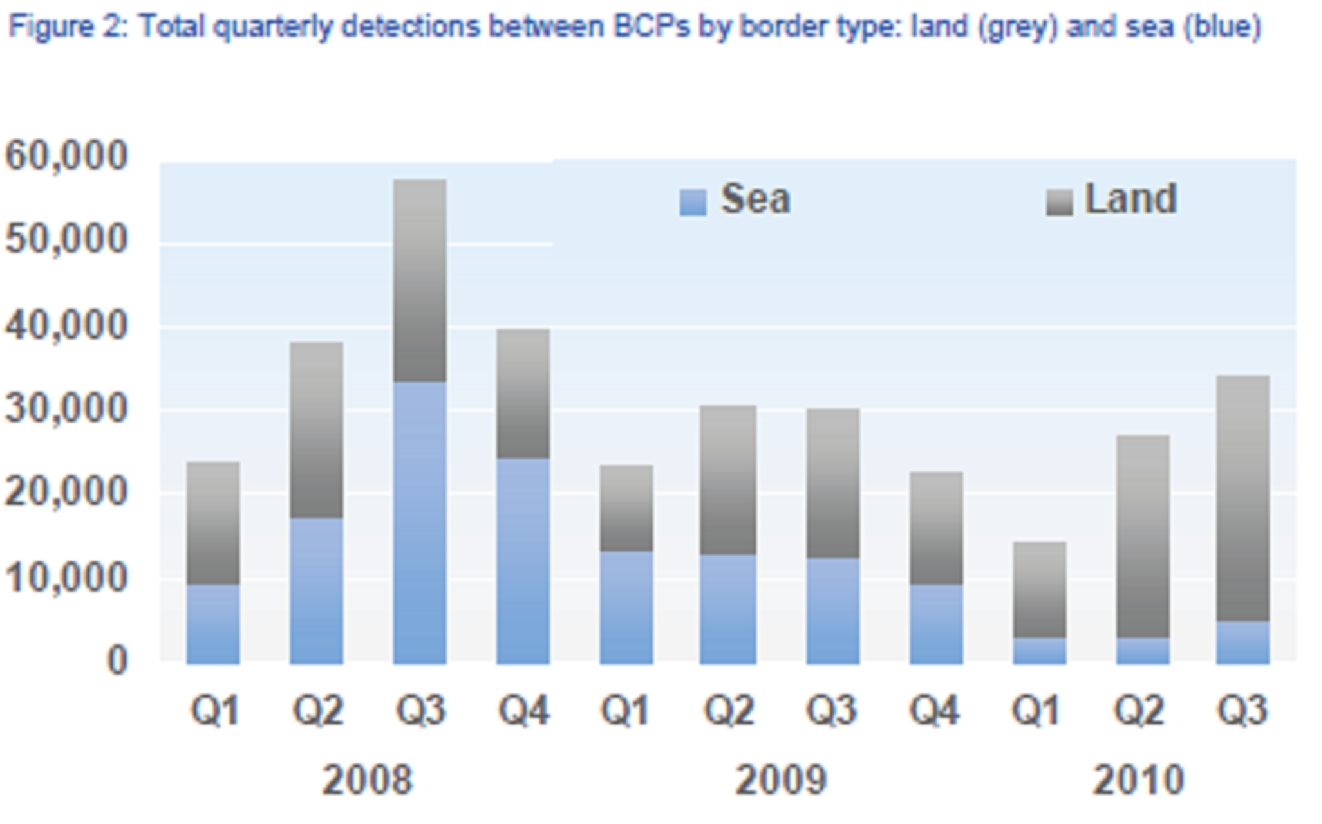
“…  Fig. 2 [see below] shows quarterly detections at the land and sea borders of the EU since the beginning of 2008. The 30% increase in the number of detections between the previous and present quarters is comprised of a 60% increase at the sea borders (although from a lower base) and a 23% increase at the land borders. This means that the shift from sea to land borders has not continued to same extent as in the previous quarters.  Nevertheless in Q3 2010, there were some 29 000 detections of illegal border-crossing at the external land border of the EU, which constitutes 85% of all the detections at the EU level, and the highest number of detections at the land border since data collection began in early 2008….”

“Eastern Mediterranean route”

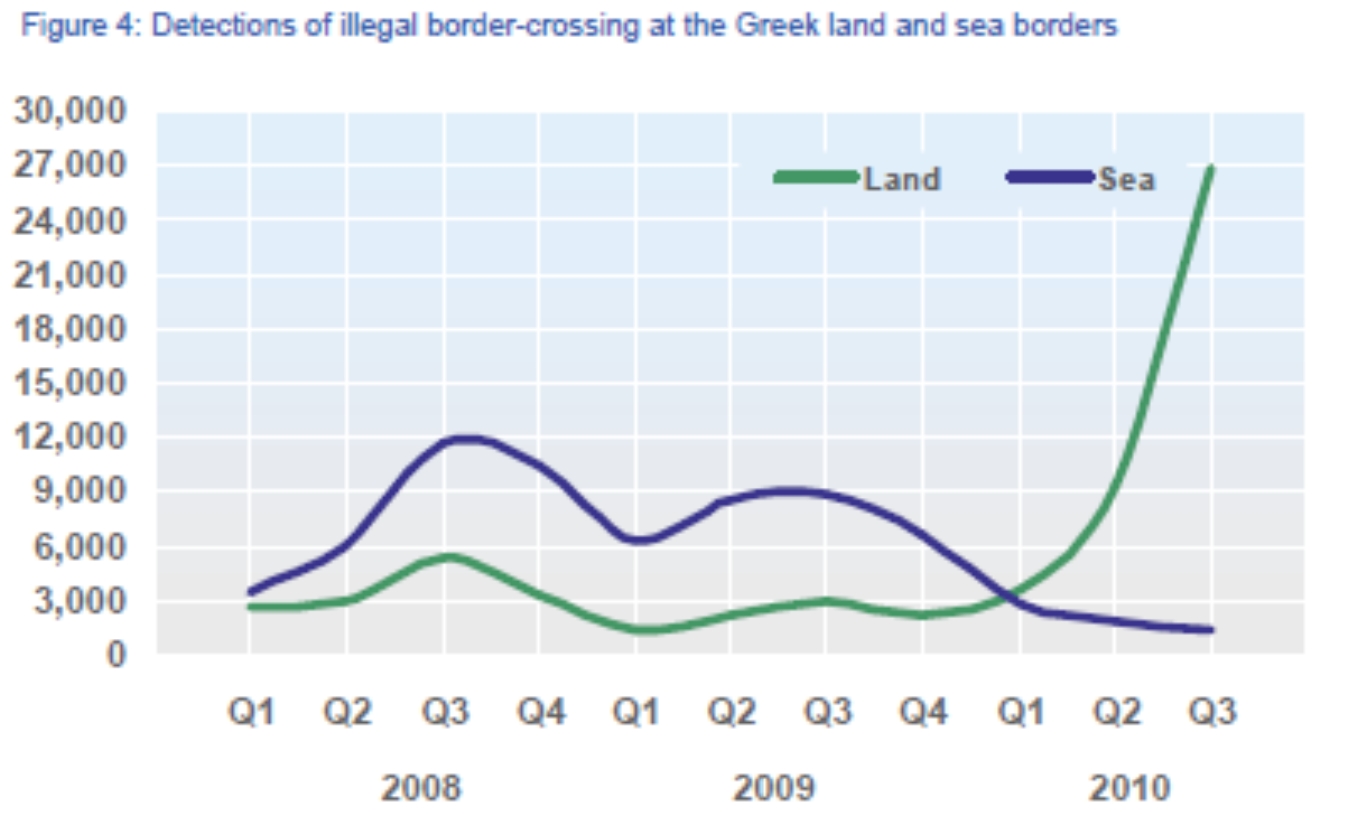
The Report observes that there has been a shift in illegal crossings from the Greece-Turkey maritime border to the Greece-Turkey land border and notes an increase in the number of nationals from Maghreb countries apprehended at the Greece-Turkey land border.  “This route [being taken by Maghreb nationals] is very indirect, but is thought to be the result of a displacement effect from the West Africa and Western Mediterranean routes….”

See Figure 4 below which shows that detections of illegal border crossers at the land border of Greece have exceeded detections at the sea border since Q1 of 2010.

“Central Mediterranean route”

“There were 2 157 detections of illegal border-crossing during Q3 2010. This is more than a three-fold increase compared to the previous quarter and a third higher than the same period last year. However despite this apparently large increase, detections still remain massively reduced compared to the peak of around 16 000 during the same period in 2008 (Fig. 3)….”

“The JO Hermes 2010 which was operational between June and October 2010, focused on illegal migratory flows departing from Algeria to the southern borders of the EU, specifically to Sardinia. In 2010, there were fewer detections than in previous years….”

“Departures from Libya also remained low. In June 2010, a new law was implemented to serve more severe punishments for facilitating illegal immigration. Ambassadors of the countries of origin were called into the Ministry of Foreign Affairs in Tripoli to be informed about the consequences of the new law, which suggests that this may be a serious implementation.”

“Western Mediterranean route”

“In general, irregular immigration to southern Spain has decreased massively since the beginning of 2006. However, in Q3 2010 there were 2 200 detections of illegal border crossing in the Western Mediterranean, more than twice that of the previous quarter and around a third higher than the same period in 2009. There is growth in the number of detections of a wide range of African nationalities, nine of which more than doubled in number between Q2 and Q3 2010. The most detected nationalities were Algerian, Moroccan, Cameroonian and Guinean.”

“Western Africa route”

“The cooperation and bilateral agreements between Spain and the rest of the Western African countries (Mauritania, Senegal and Mali) are developing steadily, and are one of the main reasons for the decrease in arrivals, as is the presence of patrolling assets near the African coast.”

“According to data collected during JO Hera, the numbers of arrivals in the Canary Islands and detections in West Africa are very low compared to the same time last year. The main nationality and place of departure is from Morocco, to where migrants are returned within a few days.”

Click here for the 3rd Quarter 2010 Report.

Click here for the 2nd Quarter 2010 Report.

Click here for the 1st Quarter 2010 Report.

Click here for my previous post regarding the 2nd Quarter Report.


Leave a comment

Filed under Aegean Sea, Algeria, Data / Stats, Eastern Atlantic, European Union, Frontex, General, Greece, Italy, Libya, Malta, Mauritania, Mediterranean, Morocco, News, Reports, Senegal, Spain, Tunisia, Turkey